


Navigating the US Insurance Landscape: A Comprehensive Guide
Understanding insurance is vital for financial security. This guide breaks down the complex world of US insurance, covering types, rules, and how it works.
Understanding the Fundamentals of Insurance
https://www.google.com/maps/search/?api=1&query=Hartford,CT+Insurance+Companies
Insurance serves as a cornerstone of financial planning in the United States. At its core, it’s a contract, known as a policy, where an individual or entity (the insured) pays a regular amount (the premium) to an insurance company (the insurer). In return, the insurer promises to provide financial compensation if a specific, covered event or loss (a peril) occurs. Many people wonder, are health insurance premiums tax deductible; the answer often depends on various factors related to your tax situation and how you obtain coverage.
This mechanism effectively transfers the risk of a potentially large, unpredictable financial loss from one party to a larger group, creating a shared risk pool. Its primary goals are multifaceted:
- Financial Protection: Shielding against devastating costs from unexpected events like accidents, illnesses, or property damage.
- Peace of Mind: Providing reassurance that financial support is available when needed most.
- Legal Compliance: Meeting legal mandates, such as state requirements for auto liability insurance.
- Economic Facilitation: Enabling significant financial activities, like securing mortgages (which require homeowners insurance) or launching businesses (which need liability coverage).
- Risk Management: Offering a structured way to manage potential financial hazards.
The Multifaceted Purpose of Insurance: More Than Just Paying Claims
Insurance is more than payouts; it’s a vital tool for financial stability, enabling growth, ensuring compliance, and providing crucial peace of mind.
Insurance operates as a fundamental mechanism for managing uncertainty. It allows individuals and businesses to transfer the risk of significant, unpredictable financial losses to an insurance company in exchange for regular premium payments. This process creates a shared pool, distributing the potential cost of any single loss across many participants. But the value of insurance extends far beyond simply covering claims; it fulfills several essential functions within our personal lives and the broader economy. Understanding these multifaceted goals reveals why insurance is indispensable. Let’s delve into the core purposes it serves.
Financial Protection: Your Shield Against the Unexpected
https://www.google.com/maps/search/?api=1&query=Insurance+Information+Institute+New+York
Perhaps the most recognized purpose of insurance is providing financial protection. Life is inherently unpredictable. Accidents happen, illnesses arise, property gets damaged by storms or fire, and lawsuits can occur. Without insurance, the costs associated with these events could be financially crippling, potentially wiping out savings, forcing asset liquidation, or leading to overwhelming debt.
Insurance acts as a safety net. By paying a predictable premium, you secure a promise from the insurer to cover potentially massive, unpredictable costs should a covered event occur. This includes:
- Health Insurance: Covers steep medical bills from hospital stays, surgeries, treatments, and medications. Options like Cigna health insurance offer various plans. Even specific procedures like how much is Invisalign with insurance or how much is a crown without insurance highlight the need for coverage.
- Auto Insurance: Pays for vehicle repairs/replacement after accidents and covers liability if you injure someone or damage their property. This is crucial for all drivers, including those needing student car insurance.
- Homeowners/Renters Insurance: Covers damage to your dwelling and belongings from perils like fire, wind, or theft, and provides liability protection.
- Life Insurance: Provides funds for dependents after the insured’s death, replacing lost income and covering final expenses.
- Liability Insurance: Protects against lawsuits stemming from negligence that causes harm to others (personal, professional, or business-related).
This protection safeguards your accumulated wealth and prevents a single unfortunate event from derailing your financial future. The Insurance Information Institute (III) offers extensive resources on understanding different coverage types at iii.org.
| Type of Potential Loss | Corresponding Insurance Protection | Example Scenario |
|---|---|---|
| Major Medical Expenses | Health Insurance | Unexpected surgery, chronic illness treatment |
| Vehicle Damage/Liability | Auto Insurance (Collision, Comprehensive, Liability) | Car accident causing damage and injuries |
| Home Damage/Destruction | Homeowners Insurance | House fire, severe storm damage |
| Loss of Personal Belongings | Homeowners/Renters Insurance | Theft, damage due to covered peril |
| Lawsuit from Negligence | Liability Insurance (Home, Auto, Umbrella, Professional, General) | Slip-and-fall on property, causing injury to guest |
| Loss of Income due to Death | Life Insurance | Premature death of primary wage earner |
| Loss of Income due to Injury | Disability Insurance | Inability to work after a serious accident |
Peace of Mind: Reducing Worry in an Uncertain World
Beyond the tangible financial benefits, insurance provides an invaluable psychological benefit: peace of mind. Knowing that you have a plan and resources in place to handle potential disasters significantly reduces worry and anxiety about the future. This mental security allows individuals and families to live their lives with greater confidence.
Consider the stress associated with “what if” scenarios:
- What if I get into a serious car accident?
- What if my house burns down?
- What if I face a major health crisis?
- What if I’m sued?
- What if I pass away unexpectedly, leaving my family financially vulnerable?
Insurance directly addresses these anxieties. Having health insurance means you’re less likely to delay necessary medical care due to cost concerns. Knowing your home is insured allows you to sleep better during a thunderstorm. Life insurance assures you that your dependents will be cared for financially if you’re no longer there. This sense of security is especially important for students in the USA who might be far from home; ensuring they have the best student insurance provides peace of mind for both them and their families. Even exploring options like Cigna health insurance for international students brings security.
For businesses, this peace of mind translates into the confidence to innovate, expand, and take calculated risks, knowing that insurance protects against certain catastrophic events that could otherwise destroy the enterprise.
| Source of Worry | How Insurance Provides Peace of Mind | Relevant Insurance Type(s) |
|---|---|---|
| High Medical Bills | Covers significant portion of costs, prevents medical debt | Health Insurance |
| Damaged/Destroyed Home | Provides funds to rebuild or repair | Homeowners Insurance |
| Financial Ruin from Accident | Covers liability claims and vehicle repair/replacement | Auto Insurance, Umbrella Insurance |
| Leaving Dependents Unprovided | Ensures financial resources for family after death | Life Insurance |
| Losing Income due to Illness | Replaces a portion of income when unable to work | Disability Insurance |
| Lawsuits Against Business | Covers legal defense costs and potential settlements/judgments | General Liability, Professional Liability, EPLI |
| Unexpected Vet Bills | Helps manage costs for pet illnesses or injuries | Pet Insurance |
Legal Compliance: Meeting Mandatory Requirements
In many situations, carrying specific types of insurance isn’t just a good idea – it’s a legal requirement. Governments at the state and federal levels mandate certain coverages to protect the public and ensure that parties can be compensated for damages. Failure to comply can result in significant penalties.
Key examples include:
- Auto Liability Insurance: Nearly every state requires drivers to carry minimum levels of liability coverage to pay for injuries or property damage they cause to others in an accident. Driving without it can lead to fines, license suspension, vehicle impoundment, and difficulty obtaining coverage later. Even students need to comply, potentially benefiting from good student car insurance discounts.
- Workers’ Compensation: State laws generally require businesses with employees (thresholds vary) to carry workers’ compensation insurance. This provides medical benefits and wage replacement for employees injured on the job, regardless of fault. Non-compliance can result in severe fines, stop-work orders, and personal liability for business owners. The U.S. Department of Labor provides state-specific resources at dol.gov/general/topic/workcomp. Specific rules might apply for insurance for government employees.
- Health Insurance (ACA Mandate): While the federal penalty for not having health insurance was reduced to $0, some states have implemented their own individual mandates requiring residents to maintain qualifying health coverage or face a state tax penalty.
- Mortgage Lender Requirements: While not a direct legal mandate from the government, virtually all mortgage lenders require borrowers to maintain homeowners insurance to protect the lender’s financial interest in the property. Without it, you cannot typically obtain or maintain a mortgage.
- Business Licenses/Contracts: Certain professions or contracts may require specific types of insurance (like professional liability or surety bonds) as a condition of licensing or doing business.
Meeting these compliance requirements is essential for legal operation and participation in various economic activities. Understanding the student insurance policy details is vital for students needing to meet university or visa requirements.
| Type of Requirement | Who Mandates It? | Common Insurance Required | Purpose of Requirement |
|---|---|---|---|
| Driving a Vehicle | State Governments | Auto Liability Insurance | Ensure compensation for accident victims |
| Employing Workers | State Governments | Workers’ Compensation | Protect injured workers, limit employer lawsuits |
| Maintaining Health Coverage | Federal (past) / Some States | Qualifying Health Insurance | Promote public health, ensure access to care |
| Obtaining a Mortgage | Mortgage Lenders | Homeowners Insurance | Protect lender’s collateral (the property) |
| Professional Licensing/Contracts | Licensing Boards / Contract Parties | Professional Liability, Bonds | Ensure competence, guarantee performance/payment |
| University Enrollment (esp. Intl.) | Educational Institutions | Student Health Insurance | Ensure students have access to healthcare |
Economic Facilitation: Fueling Growth and Activity
Insurance plays a critical, often unseen, role in facilitating economic activity and growth. Many essential transactions and investments involve significant risk, and without insurance to mitigate that risk, these activities would be far less common or much more expensive.
Consider these examples:
- Homeownership: As mentioned, mortgage lenders require homeowners insurance. This protection makes banks willing to lend large sums for home purchases, underpinning the entire real estate market.
- Business Investment & Lending: Banks are more willing to lend to businesses that have adequate property and liability insurance, protecting the business’s assets (collateral) and its ability to operate and repay the loan.
- Construction & Contracts: Surety bonds (often sold by insurers) guarantee that contractors will complete projects according to specifications and pay subcontractors/suppliers. This allows large construction projects and government contracts to move forward with confidence.
- Innovation & Entrepreneurship: Insurance allows businesses to take risks associated with developing new products or entering new markets, knowing that certain potential failures (e.g., product liability claims) are covered.
- International Trade: Cargo insurance protects goods being shipped overseas, making global commerce feasible by covering losses due to damage or theft during transit.
- Access to Credit: Having insurance can improve access to credit for individuals and businesses, as it reduces the perceived risk for lenders.
Essentially, insurance provides the financial confidence needed for parties to engage in transactions where potential losses could be substantial. It greases the wheels of commerce, enabling investments and activities that drive economic progress. The existence of a robust US insurance landscape is foundational to the nation’s economy.
| Economic Activity | How Insurance Facilitates It | Relevant Insurance Type(s) |
|---|---|---|
| Buying a Home w/ Mortgage | Protects lender’s investment, making lending possible | Homeowners Insurance |
| Starting/Expanding a Business | Protects assets, secures loans, enables risk-taking | Commercial Property, General Liability, BOP |
| Large Construction Projects | Guarantees project completion and payment | Surety Bonds (Performance, Payment) |
| Developing New Products | Covers potential liability from product defects | Product Liability Insurance |
| Shipping Goods Globally | Covers loss or damage during transit | Cargo Insurance (Ocean/Inland Marine) |
| Professional Services | Protects against claims of negligence, enabling service provision | Professional Liability / E&O Insurance |
| Renting Property | Protects landlord from liability, tenant from property loss | Landlord Insurance, Renters Insurance |
Risk Management: A Strategic Tool for Individuals and Businesses
Finally, insurance serves as a crucial component of risk management. Risk management is the process of identifying, assessing, and controlling threats to one’s capital and earnings. For both individuals and businesses, managing risk involves several strategies:
- Risk Avoidance: Choosing not to engage in an activity that carries risk (e.g., not buying a trampoline to avoid injury liability).
- Risk Reduction: Taking steps to lower the likelihood or severity of a loss (e.g., installing smoke detectors, implementing safety protocols at work).
- Risk Retention: Accepting the risk and planning to cover any losses yourself (self-insurance), often suitable for small, predictable risks or when the cost of insurance is prohibitive. Setting aside funds for deductibles is a form of risk retention. Deciding are health insurance premiums tax deductible is part of managing the financial risk of healthcare costs.
- Risk Transfer: Shifting the financial burden of a potential loss to another party. Insurance is the primary mechanism for risk transfer.
Insurance fits strategically into this framework by allowing you to transfer the financial consequences of specific, often large and unpredictable, risks to the insurer. It’s typically most effective for risks that have a low probability of occurring but would have a high financial impact if they did (e.g., a house fire, a major lawsuit). Exploring health insurance innovations and anticipating the trend health insurance 2025 are ways to manage future healthcare risks. Sometimes, managing risk effectively requires specialized help, prompting individuals to hire a health insurance lawyer for claim disputes. Utilizing innovative partners health insurance can also be a risk reduction strategy for health systems.
Making informed decisions about which risks to avoid, reduce, retain, or transfer (through insurance) is fundamental to sound financial planning and business strategy. Insurance provides a cost-effective way to handle potentially catastrophic financial risks that are difficult or impossible to manage solely through other means. The process helps individuals and organizations achieve greater stability and resilience. For insights into risk management principles, resources like the Risk and Insurance Management Society (RIMS) at rims.org can be valuable.
| Risk Management Technique | Description | Insurance Applicability | Example |
|---|---|---|---|
| Risk Avoidance | Not performing an activity that could carry risk. | N/A (The risk isn’t present to insure). | Deciding not to offer skydiving services due to high liability risk. |
| Risk Reduction | Implementing measures to lower loss frequency/severity. | Can lower insurance premiums (e.g., discounts for security systems, safe driving records). | Installing fire sprinklers in a building. |
| Risk Retention | Accepting some or all of the risk and potential loss. | Choosing higher deductibles; self-insuring for small, frequent losses. | Paying for minor car scratches out-of-pocket instead of claiming. |
| Risk Transfer | Shifting the financial responsibility for loss to another. | The primary function of insurance – paying premiums to have insurer cover large losses. | Buying homeowners insurance to cover potential fire loss. |
The purpose of insurance extends far beyond simply processing claims. It acts as a vital shield, providing financial protection against catastrophic events. It delivers invaluable peace of mind, reducing anxiety about life’s uncertainties. It ensures compliance with legal and contractual obligations. Crucially, it facilitates economic activity, enabling investments, lending, and commerce that might otherwise be too risky. And strategically, it serves as an indispensable tool for managing risk, allowing individuals and businesses to transfer the financial burden of potentially devastating losses. Recognizing these interconnected roles highlights the fundamental importance of insurance in modern society and personal financial well-being.
Decoding the Cornerstones: Understanding the 6 Fundamental Principles of Insurance
Insurance contracts rely on core principles ensuring fairness and function. Learn the rules governing policies and claims for better protection.
Why These Insurance Principles Matter
Insurance policies are complex legal contracts. To ensure they operate fairly and effectively for both the policyholder and the insurer, a set of fundamental principles has evolved over centuries. These principles form the bedrock of the US insurance landscape, guiding how policies are written, interpreted, and enforced.
Understanding these core tenets is not just academic; it empowers you as a policyholder. Knowing these rules helps you navigate applications, understand your coverage, and manage the claims process more effectively. They exist to:
- Promote Fairness: Ensure both parties act honestly and equitably.
- Maintain Stability: Prevent misuse of insurance for gambling or undue profit.
- Prevent Fraud: Reduce moral and morale hazards that could increase costs for everyone.
- Define Obligations: Clarify the rights and responsibilities of both the insurer and the insured.
- Standardize Practice: Provide a common framework for resolving disputes.
Violating these principles can have serious consequences, potentially leading to denied claims or voided policies. Therefore, a grasp of these concepts is essential for anyone purchasing or relying on insurance.
| Principle | Core Concept | Importance for the Insurance System |
|---|---|---|
| Utmost Good Faith | Complete honesty and disclosure from both parties. | Prevents fraud, ensures fair underwriting and pricing. |
| Insurable Interest | Policyholder must suffer financial loss if event occurs. | Prevents gambling, reduces moral hazard, defines who can insure. |
| Indemnity | Restore insured to pre-loss financial position. | Prevents profiting from loss, maintains focus on restoration. |
| Proximate Cause | Loss must be directly caused by a covered peril. | Clarifies coverage scope, links loss directly to policy terms. |
| Subrogation | Insurer recovers from at-fault third party. | Prevents double recovery, holds responsible parties accountable. |
| Contribution | Insurers share loss proportionally if multiple policies. | Prevents profiting from multiple policies, ensures equitable payout. |
Principle 1: Utmost Good Faith (Uberrima Fides) – The Duty of Honesty
This principle, often considered the most fundamental, demands the highest level of honesty and transparency from both the insurer and the insured. Unlike typical commercial contracts requiring only ordinary good faith, insurance contracts demand utmost good faith because one party (the insurer) relies heavily on the information provided by the other (the insured) to assess the risk accurately.
The Insured’s Duty
You, as the applicant or policyholder, have a duty to voluntarily disclose all material facts relevant to the risk being insured, even if not specifically asked. A material fact is any information that could influence the insurer’s decision to accept the risk, set the premium, or determine policy terms. This includes:
- Accurate information on applications (health history, driving record, property characteristics).
- Disclosure of known hazards or relevant circumstances.
Failure to do so, through either material misrepresentation (actively stating something false) or concealment (failing to disclose a material fact), can lead to the insurer voiding the policy ab initio (from the beginning) or denying a claim.
The Insurer’s Duty
The insurer also operates under this principle. They must:
- Clearly and accurately explain the policy terms, conditions, and exclusions.
- Not mislead the applicant about the scope of coverage.
- Process claims fairly and promptly.
Real-World Example
Imagine applying for health insurance. If you knowingly fail to disclose a diagnosed heart condition (a material fact), you breach the duty of utmost good faith. If you later file a claim related to that condition, the insurer, upon discovering the concealment, could void your policy entirely, leaving you without coverage. This highlights the importance of complete honesty during the application process. Similarly, if an agent misrepresents the coverage offered, the insurer may be bound by that representation or face regulatory action.
Actionable Advice
Always be truthful and complete when filling out insurance applications. If you are unsure whether information is relevant, it’s generally better to disclose it. Read policy documents carefully and ask your agent or insurer to clarify anything you don’t understand.
| Aspect | Insured’s Duty | Insurer’s Duty | Consequence of Breach by Insured |
|---|---|---|---|
| Information Flow | Disclose all material facts | Explain policy terms clearly & accurately | Policy voided or claim denied |
| Standard of Honesty | Highest level (Utmost) | Highest level (Utmost) | Loss of coverage |
| Key Actions | Answer truthfully, volunteer relevant info | Avoid misrepresentation, process claims fairly | Potential legal action, financial loss |
| Basis of Contract | Insurer relies on insured’s info for assessment | Insured relies on insurer’s promise & clarity | Undermines the foundation of the policy |
Principle 2: Insurable Interest – Having Skin in the Game
You cannot insure something or someone unless you stand to suffer a direct financial or legally recognized loss if the insured event occurs. This requirement is known as insurable interest. It prevents insurance from becoming a form of gambling and reduces the temptation for someone to intentionally cause a loss (moral hazard).
When Must Interest Exist?
The timing requirement for insurable interest varies by insurance type:
- Life Insurance: Insurable interest must exist at the time the policy is purchased. For example, you have an insurable interest in your own life, the life of a spouse, dependents, or key business partners/employees whose death would cause financial hardship. You generally cannot buy a life insurance policy on a random stranger because you wouldn’t suffer a financial loss upon their death. Once the policy is issued, the interest does not need to continue (e.g., if you divorce, the policy on your ex-spouse can remain valid if it was valid at inception).
- Property & Casualty Insurance (Home, Auto, Business): Insurable interest must exist at the time of the loss. You must own or have a financial stake (like a mortgage lender) in the property when it is damaged or destroyed to collect on the insurance. If you sell your car, your insurable interest ceases, and your policy will no longer cover it, even if it’s still technically active.
Purpose of the Principle
- Prevents Wagering: Stops people from taking out policies purely as a bet on a loss occurring.
- Reduces Moral Hazard: Decreases the incentive for someone to intentionally cause damage or harm if they don’t stand to lose financially otherwise.
- Upholds Indemnity: Ensures insurance compensates for actual financial loss, not creates windfalls.
Real-World Example
You can easily insure your own home because you would suffer a significant financial loss if it burned down. However, you cannot insure your neighbor’s home (unless you co-own it or hold a mortgage on it) because its destruction wouldn’t directly cost you money. Similarly, a business owner has an insurable interest in a key employee whose absence due to death or disability would severely impact the company’s finances. Understanding the specifics of student insurance policies also requires demonstrating insurable interest, usually related to health or property owned by the student.
Actionable Advice
Before purchasing insurance, confirm you have a legitimate, recognizable financial stake in the person or property you wish to insure. Lenders typically require proof of insurance precisely because they have an insurable interest in the mortgaged property.
| Type of Insurance | When Insurable Interest Must Exist | Example of Valid Interest | Example of Invalid Interest | Purpose Served |
|---|---|---|---|---|
| Life Insurance | At policy inception | Spouse, Own life, Business partner, Debtor | Stranger, Celebrity | Prevents wagering on lives, Reduces moral hazard |
| Property Insurance | At the time of loss | Homeowner, Mortgagee, Owner of car/contents | Neighbor’s house (no financial link) | Prevents wagering on property, Upholds indemnity |
| Casualty/Liability | At the time of loss (liability event) | Anyone facing potential legal liability | Insuring against someone else’s liability | Links coverage to potential financial obligation |
Principle 3: Indemnity – Making You Whole, Not Rich
The principle of indemnity dictates that insurance should restore the insured to approximately the same financial position they were in before the loss occurred, but no better. Insurance is designed to compensate for losses, not to provide a source of profit. This is a cornerstone of most property and casualty insurance policies.
How Indemnity Works
The amount paid is typically limited to the actual amount of the financial loss sustained. Common methods for calculating this include:
- Actual Cash Value (ACV): This is often calculated as the Replacement Cost (RC) minus depreciation due to age, wear and tear, and obsolescence. For example, if your 5-year-old laptop is destroyed, ACV would pay the cost of a similar new laptop minus several years of depreciation.
- Replacement Cost (RC): Some policies offer Replacement Cost coverage (often for homes and sometimes contents). This pays the cost to replace the damaged property with new property of like kind and quality, without deducting depreciation. Usually, the insurer first pays ACV, and then the remaining amount (up to the RC value) once the item is actually replaced.
Exceptions to Indemnity
Not all insurance strictly adheres to indemnity:
- Life Insurance: Life insurance policies are considered “valued policies.” They pay a pre-agreed sum (the face amount) upon the death of the insured, regardless of the actual financial loss incurred by the beneficiaries. It’s impossible to put a precise financial value on a human life, so indemnity doesn’t apply in the same way.
- Valued Policy Laws: Some states have laws requiring insurers to pay the full face value of the policy for a total loss to property (like a home destroyed by fire), regardless of ACV, especially if the value was agreed upon at policy inception.
- Agreed Value Policies: Often used for items like classic cars or fine art, where the value is difficult to determine after a loss. The insurer and insured agree on the item’s value when the policy is written, and that amount is paid if a total loss occurs.
Real-World Example
If your car is damaged in an accident, the principle of indemnity means your auto insurance (collision coverage) will pay for the repairs needed to restore it to its pre-accident condition, or pay its actual cash value if it’s declared a total loss. It won’t pay the original price you paid for the car years ago, nor will it pay for unrelated mechanical problems. Understanding how much a crown costs without insurance versus with insurance also relates to indemnity; insurance aims to cover the cost of restoration, not necessarily the full sticker price of every possible treatment.
Actionable Advice
Understand whether your property policies provide ACV or Replacement Cost coverage, as this significantly impacts claim payouts. Keep good records, including photos and receipts, of your property to help establish value in case of a loss.
| Concept | Definition | How Calculated / Example | Applicability / Exception |
|---|---|---|---|
| Indemnity Principle | Restore to pre-loss financial state, no profit. | Payment limited to actual financial loss incurred. | Core to Property & Casualty Insurance. |
| Actual Cash Value (ACV) | Replacement Cost minus Depreciation. | Cost of new item today – value lost due to age/wear. | Common basis for contents, vehicles. |
| Replacement Cost (RCV) | Cost to replace with new item of like kind & quality. | Pays full cost to replace/repair with new materials. | Often available for dwellings, optional for contents. |
| Valued Policy / Agreed Value | Pre-agreed amount paid for total loss. | Face amount of life policy; Agreed value for classic car. | Life Insurance; Fine Arts; Classic Cars; Some State Laws. |
Principle 4: Proximate Cause (Causa Proxima) – The Direct Trigger
For a loss to be covered by an insurance policy, it must be directly caused by an insured peril. Proximate cause refers to the primary or dominant cause that sets in motion an unbroken chain of events leading to the loss, without the intervention of any new and independent force.
Importance of the Principle
Insurers don’t cover losses from any cause, only those resulting from perils listed (or not excluded) in the policy. Determining the proximate cause is crucial for establishing whether coverage applies. If the proximate cause was an excluded peril, the loss may not be covered, even if subsequent damage resulted from a covered peril.
- Direct Link: Establishes a clear connection between a covered event and the resulting damage.
- Scope of Coverage: Helps define what is and isn’t paid for under the policy.
- Exclusion Application: Determines if an exclusion applies based on the initiating event.
Unbroken Chain of Events
Consider a sequence: Event A (covered peril) leads directly to Event B, which leads directly to Event C (the final damage). If this chain is unbroken and no excluded peril initiated it, the loss (Event C) is generally covered. However, if Event X (an excluded peril) starts the chain, or if a new, independent cause interrupts the chain started by a covered peril, the loss might not be covered.
Real-World Example
Scenario 1: A severe windstorm (covered peril) blows off roof shingles. Rain (often covered as resulting damage from a covered peril) then enters the house, damaging ceilings and walls. The proximate cause is the windstorm. Because it’s a covered peril and the rain damage followed directly, the entire loss is likely covered.
Scenario 2: The house sustains water damage because the homeowner neglected roof maintenance for years, allowing slow leaks (wear and tear/maintenance issues – typically excluded). Even though the damage is water damage, the proximate cause is neglect/wear and tear, which is excluded. The claim would likely be denied.
Scenario 3: An earthquake (excluded peril on standard HO policies) damages gas lines, leading to a fire (covered peril). The proximate cause is the earthquake. Depending on policy wording and state law, coverage for the fire damage might be denied because the initiating event was excluded. (This is why separate earthquake coverage is often needed).
Actionable Advice
Familiarize yourself with the covered and excluded perils in your policies (especially homeowners and property insurance). When a loss occurs, document the sequence of events as clearly as possible to help establish the proximate cause.
| Scenario | Initiating Event (Peril) | Proximate Cause? | Resulting Damage | Covered under standard HO-3? | Rationale |
|---|---|---|---|---|---|
| Windstorm damages roof -> Rain enters | Windstorm (Covered) | Yes (Windstorm) | Water Damage | Likely Yes | Unbroken chain from covered peril. |
| Neglected roof leaks -> Water damage | Neglect (Excluded) | Yes (Neglect/Wear & Tear) | Water Damage | Likely No | Proximate cause is an excluded peril. |
| Fire damages wall -> Smoke stains home | Fire (Covered) | Yes (Fire) | Smoke Damage | Likely Yes | Unbroken chain from covered peril. |
| Flood (excluded) pushes car into house | Flood (Excluded) | Yes (Flood) | Structural Damage | Likely No | Proximate cause is an excluded peril (flood). |
| Lightning (covered) starts fire | Lightning (Covered) | Yes (Lightning -> Fire seq.) | Fire Damage | Likely Yes | Unbroken chain originating with covered peril. |
Principle 5: Subrogation – Stepping into Your Shoes
Subrogation is the legal right of an insurer, after paying a claim to their insured, to pursue the party responsible for causing the loss to recover the amount paid. In essence, the insurer “steps into the shoes” of the insured and assumes their right to sue the negligent third party.
Purpose of Subrogation
This principle serves several important functions:
- Prevents Double Recovery: Stops the insured from collecting compensation for the same loss from both their insurer and the at-fault party.
- Holds Negligent Parties Accountable: Ensures the party who caused the loss ultimately bears the financial responsibility.
- Keeps Premiums Lower: By recovering claim payments, insurers can offset some of their costs, which helps keep insurance premiums more affordable for everyone.
How Subrogation Works
- A loss occurs that is covered by the insured’s policy.
- The insured files a claim with their own insurer.
- The insurer investigates and pays the claim to the insured according to the policy terms.
- The insurer then assesses whether a third party was legally liable for the loss.
- If so, the insurer invokes its subrogation rights (usually outlined in the policy) and seeks reimbursement from the responsible third party or their liability insurer.
Real-World Example
You are stopped at a red light, and another driver rear-ends your car. You file a claim under your own collision coverage because you want your car repaired quickly. Your insurer pays, say, $5,000 for the repairs (minus your deductible). Through subrogation, your insurer then contacts the at-fault driver’s auto liability insurer to recover the $5,000 they paid out. If successful, they might also recover your deductible and return it to you. The US insurance landscape guide provides more context on how different policy types interact.
Actionable Advice
If your loss was caused by someone else, cooperate fully with your insurer during the subrogation process. Do not sign any agreements releasing the at-fault party from liability without your insurer’s consent, as this could jeopardize their subrogation rights (and potentially affect your claim).
| Step | Action | Who Acts | Purpose | Policyholder Role |
|---|---|---|---|---|
| 1. Covered Loss | Loss occurs, potentially caused by a third party. | Event | N/A | Experience loss. |
| 2. Claim Filed | Insured reports loss and files claim with own insurer. | Insured | Seek compensation under own policy. | Report loss, provide details. |
| 3. Claim Paid | Insurer pays the claim according to policy terms. | Insurer | Fulfill policy obligation to insured. | Receive payment (less deductible). |
| 4. Liability Assessed | Insurer determines if a third party is at fault. | Insurer (Claims Dept.) | Identify potential recovery source. | Provide information about the third party. |
| 5. Subrogation | Insurer pursues the at-fault party/their insurer. | Insurer (Subro. Dept.) | Recover claim costs, hold third party liable. | Cooperate, do not waive rights against 3rd party. |
| 6. Recovery (Optional) | Insurer recovers funds (possibly including deductible). | Insurer / Third Party | Reduce net claim cost, potentially return deductible. | May receive deductible back. |
Principle 6: Contribution – Sharing the Load
The principle of contribution applies when two or more insurance policies cover the same risk, the same subject matter, and the same interest for the same peril. If a loss occurs that is covered by multiple such policies, each insurer is obligated to pay only its proportionate share of the loss. The insured cannot claim the full amount from each policy and profit from the loss.
Purpose of Contribution
- Upholds Indemnity: Prevents the insured from recovering more than their actual financial loss.
- Ensures Equity Among Insurers: Distributes the financial burden fairly among all insurers covering the risk.
How Contribution Works
Typically, contribution is calculated on a pro-rata basis based on the limits of liability of each policy.
Formula Example: (Limit of Insurer A’s Policy / Total Limit of All Applicable Policies) * Amount of Loss = Insurer A’s Contribution.
Real-World Example
Suppose a building worth $800,000 is insured against fire under two separate policies:
- Policy A with Insurer Alpha has a limit of $600,000.
- Policy B with Insurer Beta has a limit of $400,000. Total coverage = $1,000,000.
A fire causes $200,000 worth of damage.
- Insurer Alpha’s share: ($600,000 / $1,000,000) * $200,000 = $120,000
- Insurer Beta’s share: ($400,000 / $1,000,000) * $200,000 = $80,000 Total paid = $120,000 + $80,000 = $200,000 (the amount of the loss).
The policyholder cannot collect $200,000 from each insurer.
Important Distinctions
Contribution only applies when policies cover the same interest in the same property. It’s different from having, for instance, homeowners insurance and auto insurance, which cover different types of property and risks. It’s relatively uncommon for individuals to have multiple identical policies on the same property, but it can occur with commercial insurance or overlapping coverages.
Actionable Advice
While double insurance on the exact same interest is rare for individuals, if you suspect multiple policies might cover the same loss (e.g., coverage under your policy and a business policy), disclose the existence of all potentially applicable policies to each insurer when filing a claim.
| Scenario | Policy A Limit | Policy B Limit | Total Limit | Loss Amount | Policy A Pays | Policy B Pays | Rationale |
|---|---|---|---|---|---|---|---|
| Building Insured Twice (Example Above) | $600,000 | $400,000 | $1,000,000 | $200,000 | $120,000 (60%) | $80,000 (40%) | Pro-rata sharing based on policy limits. Upholds indemnity. |
| Loss Exceeds One Policy Limit | $100,000 | $100,000 | $200,000 | $150,000 | $75,000 (50%) | $75,000 (50%) | Each pays proportionally up to the loss amount. |
| Loss Exceeds Total Limit | $100,000 | $100,000 | $200,000 | $250,000 | $100,000 | $100,000 | Each pays up to its maximum limit; loss not fully covered. |
| Only One Policy Applicable | $500,000 | N/A | $500,000 | $100,000 | $100,000 | N/A | Contribution doesn’t apply if only one policy covers. |
Practical Implications for Policyholders
Understanding these six fundamental principles directly impacts you as an insurance consumer. They are not just abstract legal concepts; they shape your rights and responsibilities throughout the insurance lifecycle.
- Applying for Insurance: Utmost Good Faith demands complete honesty. Insurable Interest dictates what you can legitimately insure.
- Understanding Your Policy: Indemnity explains how you’ll be compensated. Proximate Cause clarifies which events trigger coverage.
- Filing a Claim: Indemnity determines the payout amount. Proximate Cause is key to coverage validation. Subrogation explains why your insurer might pursue a third party after paying you. Contribution dictates how payouts are shared if multiple policies apply. Should disputes arise, knowing your rights under these principles is crucial, and sometimes you may need to hire a health insurance lawyer or consult your state’s Department of Insurance. For students, navigating the landscape of student insurance requires particular attention to these basics.
Adhering to your duties (especially Utmost Good Faith) and understanding how these principles work helps ensure a smoother claims process and prevents actions that could jeopardize your coverage.
| Principle | Key Policyholder Action | Why It Matters for You |
|---|---|---|
| Utmost Good Faith | Be completely truthful & disclose all relevant facts. | Avoids policy cancellation or claim denial due to misrepresentation. |
| Insurable Interest | Only insure property/persons where you have a financial stake. | Ensures the policy is valid and enforceable. |
| Indemnity | Understand ACV vs. RCV; Keep property records. | Manages expectations about claim payout amounts. |
| Proximate Cause | Know covered/excluded perils; Document loss sequence. | Helps determine if the cause of loss is covered by the policy. |
| Subrogation | Cooperate with insurer; Don’t release at-fault parties. | Aids insurer recovery efforts; May help recover your deductible. |
| Contribution | Disclose other applicable insurance policies. | Ensures fair claim settlement according to policy terms. |
The principles of Utmost Good Faith, Insurable Interest, Indemnity, Proximate Cause, Subrogation, and Contribution are the essential pillars supporting the integrity and function of the insurance mechanism. They create a framework for ethical behavior, fair compensation, and operational stability. For policyholders, understanding these cornerstones transforms insurance from a mere purchase into a transparent agreement, empowering you to manage your risks effectively and navigate the claims process with confidence. They ensure that insurance fulfills its promise: providing financial security when the unexpected happens.
Several fundamental principles underpin the insurance contract, ensuring fairness and proper function:
- Utmost Good Faith (Uberrima Fides): Both the insurer and insured must act with complete honesty and disclose all relevant information. Misrepresentation can void the policy.
- Insurable Interest: The policyholder must stand to suffer a direct financial loss if the insured event happens. You can’t insure something if its loss wouldn’t affect you financially.
- Indemnity: The goal is to restore the insured to the financial position they were in before the loss occurred, not to allow them to profit from it. (Note: This applies less strictly to life insurance, which pays a set benefit).
- Proximate Cause: The actual loss must be directly caused by a peril covered under the policy for a claim to be paid.
- Subrogation: If the insurer pays a claim caused by a third party, the insurer gains the right to pursue that third party to recover the amount paid.
- Contribution: If multiple policies cover the same loss, each insurer contributes proportionally to the claim payment, preventing the insured from collecting more than the actual loss.
Understanding key terms is also crucial:
| Term | Description |
|---|---|
| Policy | The legal contract detailing terms, conditions, coverage, exclusions, limits, and premium. |
| Premium | The amount paid by the policyholder for insurance coverage. |
| Insured | The person or entity protected by the policy. |
| Insurer | The insurance company providing coverage and paying claims. |
| Policyholder | The owner of the policy (may or may not be the insured). |
| Beneficiary | The person/entity designated to receive policy benefits (common in life insurance). |
| Claim | A formal request for payment from the insurer due to a covered loss. |
| Deductible | The amount the insured must pay out-of-pocket before the insurer starts paying. |
| Coverage Limit | The maximum amount the insurer will pay for a specific type of loss. |
| Peril | The cause of loss (e.g., fire, theft, accident, illness). |
| Hazard | A condition increasing the likelihood of a peril occurring (e.g., icy roads, smoking). |
| Underwriting | The insurer’s process of evaluating risk to decide whether to issue a policy and at what premium. |
| Exclusion | Specific perils, conditions, or property not covered by the policy. |
| Rider/Endorsement | An addition to the policy that modifies (adds or removes) coverage. |
How Insurance is Regulated in the USA
Navigating the Maze: Understanding Insurance Regulation in the United States
Discover how the US insurance system is governed, primarily at the state level, impacting consumers and companies through distinct regulatory bodies.
The insurance industry in the United States represents a significant portion of the economy, yet its regulatory structure often surprises those unfamiliar with it. Unlike the banking sector, which has substantial federal oversight, insurance regulation primarily unfolds at the state level. This unique framework means that rules and enforcement can vary significantly from one state to another. Understanding this state-centric system is crucial for both consumers seeking protection and insurers navigating compliance. Furthermore, special programs and provisions often apply to insurance for government employees, adding another layer to the regulatory landscape.
The Foundation: Why State-Based Insurance Regulation Dominates
The bedrock of US insurance regulation lies within individual states, the District of Columbia, and U.S. territories. This system dates back to the 19th century and was solidified by the McCarran-Ferguson Act of 1945. This federal law explicitly confirmed that states would continue to regulate and tax the “business of insurance,” exempting it from most federal antitrust laws.
The rationale behind state-level control stems from several key ideas. Proponents argue it allows regulations to be tailored to local market conditions and consumer needs, fostering diversity and innovation. It also keeps regulators closer to the consumers they protect, potentially leading to more responsive oversight. Consequently, each state operates its own Department of Insurance (DOI) or an equivalent agency, equipped with substantial authority over the insurance activities within its borders. Exploring the US insurance landscape provides a comprehensive guide to these variations.
| Aspect | Description | Rationale | Key Legislation |
|---|---|---|---|
| Primary Authority | State governments (DOIs) hold the main regulatory power. | Tailored rules, local accountability, historical precedent. | McCarran-Ferguson Act |
| Regulatory Focus | Consumer protection, insurer solvency, market conduct within state borders. | Address specific state needs and risks effectively. | State Insurance Codes |
| Federal Role | Generally limited, except in specific areas (e.g., flood, health via ACA). | Preserve state authority as mandated by McCarran-Ferguson. | Varies (e.g., NFIP, ACA) |
| Market Impact | Creates 50+ distinct regulatory environments for insurers to navigate. | Allows for market diversity but increases compliance complexity. | N/A |
| Consumer Experience | Protections and policy options can vary significantly by state. | Regulations reflect local priorities and risk pools. | N/A |
The Powerhouses: State Departments of Insurance (DOIs)
State Departments of Insurance (DOIs) are the primary enforcers of insurance law and regulations. These agencies wield significant influence, overseeing nearly every aspect of the insurance business conducted within their state lines. Their mission typically revolves around maintaining a fair and competitive insurance marketplace while ensuring the financial stability of insurers and protecting consumers from unfair or deceptive practices.
These departments are staffed by regulators, actuaries, lawyers, and consumer advocates who actively work to implement state insurance codes. Their functions are broad and impactful, directly affecting both insurance companies and the policyholders they serve.
Licensing Insurers and Agents
Before an insurance company or agent can sell policies in a state, they must obtain a license from the state’s DOI. This process involves vetting the applicant’s financial stability, business plan, and the competence and character of its management or individual agents. Licensing ensures that only qualified and reputable entities and individuals participate in the market.
Ensuring Financial Solvency
Perhaps the most critical function of a DOI is monitoring the financial health of insurance companies operating within the state. Solvency regulation aims to ensure that insurers have sufficient funds (reserves) to pay future claims. DOIs analyze financial statements, conduct periodic examinations, and utilize risk-based capital (RBC) requirements to gauge an insurer’s financial strength. If a company shows signs of financial distress, the DOI can intervene, potentially restricting its business activities or even taking control to protect policyholders.
Approving Rates and Policy Forms
In many insurance lines (like auto, home, and certain health insurance types), DOIs must approve the policy contracts (forms) and the prices (rates or premiums) charged to consumers before they can be used. Regulators review rates to ensure they are not excessive, inadequate (too low to cover claims), or unfairly discriminatory. Policy forms are examined to ensure they comply with state laws and provide clear, fair coverage terms. Understanding if health insurance premiums are tax deductible often depends on specifics regulated at state and federal levels.
Overseeing Market Conduct
Market conduct regulation focuses on how insurance companies and agents behave in the marketplace. DOIs set standards for advertising, marketing, sales practices, underwriting (deciding whether to insure someone and at what cost), and claims handling. They conduct market conduct examinations to ensure companies treat consumers fairly, provide accurate information, and pay legitimate claims promptly and appropriately.
Handling Consumer Complaints
DOIs serve as a crucial resource for consumers who believe they have been treated unfairly by an insurer or agent. They investigate complaints regarding claim denials, delays, policy cancellations, premium disputes, and alleged misrepresentations. This function provides consumers with a formal channel to seek resolution and helps regulators identify patterns of misconduct that may warrant broader enforcement action.
| DOI Function | Description | Consumer Impact | Insurer Requirement |
|---|---|---|---|
| Licensing | Granting permission for insurers/agents to operate. | Ensures interaction with qualified, vetted entities. | Meet financial, operational, and ethical standards. |
| Solvency Monitoring | Assessing financial health to ensure claim-paying ability. | Confidence that claims will be paid; protection against insurer insolvency. | Maintain adequate capital reserves, submit financials. |
| Rate/Form Approval | Reviewing policy contracts and premiums for fairness and adequacy. | Protects against excessive charges and unfair policy terms. | Justify rates, ensure forms comply with state laws. |
| Market Conduct | Overseeing sales, advertising, underwriting, and claims practices. | Protection against unfair treatment, deceptive practices, and improper claim handling. | Adhere to fair trade practices and claim regulations. |
| Complaint Handling | Investigating and mediating consumer disputes with insurers/agents. | Provides a channel for redress and dispute resolution. | Respond to DOI inquiries and cooperate with investigations. |
The Coordinating Force: The National Association of Insurance Commissioners (NAIC)
While regulation is state-based, the need for coordination and standardization across states is significant. This is where the National Association of Insurance Commissioners (NAIC) plays a vital role. The NAIC is an organization composed of the chief insurance regulators from all 50 states, the District of Columbia, and five U.S. territories.
Importantly, the NAIC itself has no direct regulatory authority over insurance companies. Instead, it serves as a forum for state regulators to collaborate, share information, and develop standardized regulatory frameworks. Its primary tools are “model laws” and “model regulations” covering various aspects of insurance. States can choose to adopt these models in whole or in part, promoting greater uniformity across the country. The NAIC also maintains vast databases of insurance company financial data and market conduct information, crucial tools for state DOI solvency monitoring and oversight efforts. Find more details at the NAIC’s official website.
| NAIC Function | Description | Impact on State Regulation | Example |
|---|---|---|---|
| Model Law Creation | Developing standardized laws and regulations for states to adopt. | Promotes uniformity, reduces compliance burden for insurers. | Suitability in Annuity Transactions Model Regulation |
| Data Aggregation | Collecting and analyzing financial and market conduct data from insurers. | Provides DOIs with tools for solvency and market oversight. | Financial Data Repository |
| Coordination Forum | Facilitating communication and collaboration among state regulators. | Sharing best practices, addressing multi-state issues. | National meetings, committee work |
| Accreditation | Certifying state DOIs meet baseline standards for solvency regulation. | Encourages high regulatory standards nationwide. | State DOI Accreditation Program |
| International Role | Representing U.S. state regulators in international insurance discussions. | Provides input on global standards development. | Participation in IAIS (Intl. Assoc. of Ins. Supervisors) |
Exceptions to the Rule: Federal Involvement in Insurance
Despite the dominance of state regulation, the federal government does play a role in specific areas of insurance, often where national uniformity or unique risks are involved.
One significant example is health insurance, particularly following the passage of the Patient Protection and Affordable Care Act (ACA) in 2010. The ACA established federal standards for health insurance, including requirements for covering essential health benefits, prohibiting denials based on pre-existing conditions, and setting up health insurance marketplaces. While states still handle much of the day-to-day regulation and enforcement, the ACA imposed a substantial federal overlay. Exploring health insurance innovations often involves navigating these combined state and federal rules. For official information on the ACA, visit HHS.gov.
Other notable federal programs include:
- National Flood Insurance Program (NFIP): Administered by the Federal Emergency Management Agency (FEMA), providing flood insurance in participating communities. Learn more at FEMA.gov.
- Terrorism Risk Insurance Act (TRIA): A federal backstop for insurance claims related to certified acts of terrorism.
- Federal Crop Insurance Corporation (FCIC): Provides crop insurance subsidies and reinsurance for agricultural producers.
Furthermore, the Dodd-Frank Wall Street Reform and Consumer Protection Act of 2010 created the Federal Insurance Office (FIO) within the Department of the Treasury. The FIO monitors the insurance industry and advises the Secretary of the Treasury, but it does not have general regulatory authority over insurers.
| Federal Program/Law | Area of Insurance | Role of Federal Government | Relationship with State Regulation |
|---|---|---|---|
| ACA | Health Insurance | Sets minimum standards, creates marketplaces, provides subsidies. | States enforce federal rules, regulate non-ACA aspects, run marketplaces. |
| NFIP | Flood Insurance | Provides coverage, sets rates and rules in participating areas. | Limited state role in NFIP policies; states regulate private flood market. |
| TRIA | Commercial Property/Cas. | Provides a federal backstop for terrorism losses. | States regulate underlying policies; TRIA defines federal involvement. |
| FCIC | Crop Insurance | Subsidizes premiums, reinsures private insurers. | Limited state role; primary regulation is federal. |
| FIO | Industry Monitoring | Monitors industry, advises Treasury, international role. | No direct regulatory authority; coordinates with states via NAIC. |
Special Considerations: Insurance for Government Employees
Insurance for individuals employed by federal, state, or local governments often operates under specific programs distinct from the general private market.
The largest example is the Federal Employees Health Benefits (FEHB) Program, which provides health insurance options to millions of federal employees, retirees, and their families. The FEHB program is overseen by the U.S. Office of Personnel Management (OPM), not state DOIs. It involves numerous private insurance carriers offering different plan types (HMOs, PPOs, etc.) under contracts negotiated and regulated by OPM.
Similarly, state and local governments often establish their own health benefit programs for their employees. These may be self-insured (where the government entity assumes the financial risk) or fully insured through contracts with private insurers. While state DOIs might regulate the insurers involved in fully insured plans, the structure and benefits of these government plans are typically governed by state legislation or collective bargaining agreements rather than standard insurance market regulations.
| Aspect | Federal Employee Programs (e.g., FEHB) | State/Local Employee Programs | Private Market Insurance |
|---|---|---|---|
| Primary Oversight | Federal Agency (e.g., OPM) | State/Local Government Entity, Specific State Laws | State Department of Insurance (DOI) |
| Governing Rules | Federal Law, OPM Contracts | State Legislation, Collective Bargaining, Plan Documents | State Insurance Codes, DOI Regulations, Federal Laws (ACA) |
| Plan Availability | Curated set of plans offered via competitive bidding | Varies widely by state/locality; may be single or multiple options | Broad market with numerous insurers and plan types |
| Rate Setting | Negotiated between OPM and Carriers | Determined by government entity, insurer contract, or bargaining | Approved by State DOI based on actuarial justification |
| Consumer Complaints | Specific process through OPM or plan administrator | Process defined by government employer or plan administrator | State Department of Insurance |
Challenges and the Future of US Insurance Regulation
The state-based regulatory system, while enduring, faces ongoing challenges and pressures for adaptation in the modern era.
One persistent debate centers on uniformity versus state flexibility. Insurers operating nationally face significant compliance costs navigating 50+ different sets of rules. This complexity can stifle innovation and make it harder to bring new products to market quickly. Conversely, proponents of state control emphasize the value of local tailoring and consumer protection responsiveness.
Emerging trends also test the existing framework:
- Insurtech and Big Data: How should regulators oversee companies using complex algorithms, AI, and vast datasets for underwriting and pricing? Ensuring fairness and preventing discrimination is paramount. The rise of innovative partners in health insurance adds another layer.
- Climate Change: Increasing frequency and severity of natural disasters pose solvency risks to insurers and availability/affordability challenges for consumers in high-risk areas. Regulators grapple with climate risk disclosure and resilience measures.
- Cybersecurity: Insurers hold massive amounts of sensitive consumer data, making them prime targets for cyberattacks. Regulators are enhancing cybersecurity standards and incident reporting requirements.
- Global Integration: As insurance becomes more global, coordinating with international regulatory bodies while maintaining the US state-based system presents challenges.
The future likely involves continued tension between state authority and calls for greater national coordination or federal standards in specific areas, particularly those involving systemic risk or rapidly evolving technology. Expect ongoing health insurance innovation trends through 2025 to drive some of these discussions.
| Challenge Area | Description | Potential Regulatory Responses | Key Considerations |
|---|---|---|---|
| Uniformity vs. State Flexibility | Balancing national efficiency with local responsiveness. | Increased use of NAIC models, interstate compacts, potential targeted federal standards. | Compliance costs, market responsiveness, innovation. |
| Insurtech/Big Data | Regulating AI, algorithms, and data use in insurance. | Developing standards for data governance, algorithmic transparency, and bias testing. | Fairness, privacy, preventing discrimination. |
| Climate Change Risk | Addressing insurer solvency and consumer affordability due to climate events. | Mandating climate risk disclosures, promoting resilience investments, reviewing catastrophe models. | Solvency, availability, affordability, equity. |
| Cybersecurity | Protecting sensitive consumer data held by insurers. | Implementing stricter cybersecurity standards (e.g., NAIC Model Law), enhancing incident response. | Data privacy, systemic risk, consumer trust. |
| Systemic Risk | Monitoring large, interconnected insurers whose failure could destabilize markets. | Enhanced capital requirements, FIO monitoring, coordination between state/federal/international bodies. | Financial stability, regulatory gaps. |
What This Means for You: Consumer Rights and Resources
Understanding the regulatory landscape empowers you as an insurance consumer. Your state DOI is your primary advocate and resource.
- Know Your DOI: Every state has a DOI website (easily found via an online search for “[Your State] Department of Insurance”). This site contains valuable information about insurance laws in your state, licensed companies and agents, consumer guides, and fraud warnings.
- Understand Your Policy: Insurance policies are legal contracts. Take the time to read yours and understand what is covered, what is excluded, your deductibles, and your obligations. Don’t hesitate to ask your agent or company representative questions.
- Filing a Complaint: If you have a dispute with your insurance company regarding a claim, your premium, or policy terms, and cannot resolve it directly, contact your state DOI. They offer formal complaint processes to investigate your issue and mediate with the insurer. In complex disputes, you might consider whether you need to hire a health insurance lawyer.
- Shop Around: Because regulation and market conditions vary by state, the prices and options for insurance can differ significantly. Get quotes from multiple licensed insurers.
- Verify Licenses: Before purchasing insurance, verify that both the company and the agent/broker are licensed in your state using your DOI’s online tools.
The state-based system provides a robust framework for consumer protection. By knowing your rights and utilizing the resources available through your state DOI, you can navigate the insurance marketplace more effectively.
| Consumer Action | Resource/Tool | Purpose |
|---|---|---|
| Find Your State Regulator | State DOI Website (Search Online) | Access state-specific info, laws, complaint forms, company lookups. |
| Verify Licenses | State DOI Website (Licensee Lookup Tool) | Confirm insurer and agent are authorized to sell insurance in your state. |
| Understand Coverage | Your Insurance Policy Document, Agent/Company Contact | Know what is covered, excluded, deductibles, limits, and obligations. |
| Compare Prices/Options | Insurance Company Websites, Independent Agent Quotes | Find competitive rates and coverage suitable for your needs. |
| File a Complaint | State DOI Website (Complaint Form/Hotline) | Seek investigation and resolution for disputes with insurers/agents. |
| Learn About Insurance Types | NAIC Consumer Resources, State DOI Guides | Educate yourself on different types of insurance (auto, home, health, life). |
The regulation of insurance in the United States is predominantly managed at the state level, a system enshrined by the McCarran-Ferguson Act. State Departments of Insurance hold primary authority, overseeing licensing, solvency, rates, forms, market conduct, and consumer complaints. The NAIC facilitates coordination and standard-setting among states, while federal involvement exists in specific areas like health insurance (ACA), flood insurance (NFIP), and terrorism risk (TRIA). Special programs often govern insurance for government employees. While this state-centric system faces challenges from technology, climate change, and calls for uniformity, it remains the foundation of US insurance oversight, providing crucial consumer protections and resources through state DOIs. Understanding this framework is key to navigating the complex US insurance landscape.
The insurance industry in the United States operates under a unique regulatory framework primarily managed at the state level. Unlike banking, there isn’t one overarching federal regulator for most insurance lines. Special considerations often apply regarding insurance for government employees, which may involve federal programs or specific state provisions.
State-Based Regulation: This is the dominant system. Each state, along with the District of Columbia and U.S. territories, has its own Department of Insurance (DOI) or equivalent agency. These DOIs hold significant power:
- Licensing insurers and agents to operate within the state.
- Monitoring the financial health (solvency) of insurance companies to ensure they can pay future claims.
- Approving policy forms and the rates (premiums) charged to consumers.
- Overseeing market conduct, including advertising, sales practices, and claim handling, to protect consumers from unfair treatment.
- Investigating consumer complaints.
Understanding Insurance Regulation: The NAIC and Federal Roles
Discover how US insurance oversight works. State regulators collaborate via the NAIC, while federal laws shape key market aspects for consumer protection.
Insurance regulation in the United States presents a complex yet structured system primarily managed at the state level. However, both the National Association of Insurance Commissioners (NAIC) and the federal government play significant, distinct roles in shaping the industry’s landscape, ensuring solvency, and protecting consumers. Understanding these roles is crucial for consumers, insurers, and policymakers alike.
This system evolved historically, recognizing that insurance needs and risks can vary significantly across different states. Consequently, each state developed its own set of laws and its own regulatory body, typically known as the Department of Insurance (DOI).
The Foundation: State-Based Insurance Regulation
The bedrock of U.S. insurance oversight lies with individual state governments. Each state, along with the District of Columbia and U.S. territories, operates its own insurance department led by an insurance commissioner or superintendent. These departments hold the primary authority to regulate insurance companies and agents operating within their borders.
Their core mission is twofold: protecting insurance consumers and maintaining the financial health and solvency of insurance companies. State regulators achieve this through various functions, including licensing insurers and agents, reviewing policy forms and rates (especially for lines like health and auto insurance), investigating consumer complaints, and conducting financial examinations of insurance companies. This state-centric approach allows regulations to be tailored to local market conditions and consumer needs.
| State Regulatory Function | Description | Primary Goal |
|---|---|---|
| Licensing | Granting insurers and agents permission to sell products within the state. | Ensure qualified participants |
| Rate & Form Review | Approving policy language and pricing for certain insurance lines. | Prevent unfair pricing/terms |
| Market Conduct Exams | Examining insurers’ business practices (sales, claims handling, underwriting). | Ensure fair treatment of consumers |
| Financial Solvency Oversight | Monitoring insurers’ financial health to ensure they can pay claims. | Prevent insurer insolvencies |
| Consumer Assistance | Handling complaints and inquiries from policyholders. | Resolve disputes, provide info |
The National Association of Insurance Commissioners (NAIC): Fostering Uniformity
While regulation happens at the state level, the need for coordination and consistency across states is undeniable. This is where the National Association of Insurance Commissioners (NAIC) steps in. Founded in 1871, the NAIC serves as a support organization for state insurance regulators from all 50 states, the District of Columbia, and five U.S. territories.
Critically, the NAIC itself possesses no direct regulatory authority over the insurance industry. It cannot create laws or enforce regulations independently. Instead, its power lies in its ability to bring regulators together to establish standards and best practices. The NAIC develops model laws and model regulations covering a vast range of insurance topics, from solvency requirements and market conduct to specific product rules.
States can then choose to adopt, adapt, or reject these models through their own legislative or regulatory processes. This system promotes a degree of national uniformity while preserving state authority. Many NAIC models become the basis for state laws across the country, simplifying compliance for insurers operating in multiple jurisdictions. Furthermore, the NAIC acts as a crucial hub for collecting industry data, performing analysis, and providing information resources for both regulators and the public. Find more details on their work at the NAIC Website. Understanding the broader US Insurance Landscape: A Comprehensive Guide helps put the NAIC’s role in context.
| NAIC Function | Description | Impact on Regulation |
|---|---|---|
| Model Law Development | Creates standardized legislative templates for states to consider. | Promotes regulatory consistency across states. |
| Model Regulation Dev. | Develops standardized regulatory rules based on model laws or specific needs. | Facilitates uniform implementation details. |
| Data Collection/Analysis | Gathers vast amounts of financial and market data from insurers. | Informs solvency monitoring, market trend analysis. |
| Accreditation Program | Certifies state insurance departments meeting high solvency regulation standards. | Enhances the quality of state financial oversight. |
| Information Hub | Provides resources, research, and forums for regulators and stakeholders. | Supports informed decision-making and collaboration. |
| International Liaison | Represents state regulators’ interests in international insurance discussions. | Coordinates U.S. state views on global standards. |
The Federal Government’s Influence on Insurance
Despite the state-based system, the federal government exerts influence over the insurance industry, albeit in a more limited and targeted fashion compared to state regulators. Its role has evolved through key pieces of legislation and the creation of specific offices or programs.
Key Legislation Shaping the Landscape
Several federal acts have significantly impacted insurance regulation:
- McCarran-Ferguson Act (1945): This landmark legislation explicitly affirmed that the regulation and taxation of the insurance business belong to the states. It also granted the insurance industry a limited exemption from federal antitrust laws for certain collaborative activities (like data sharing for rate-making), provided these activities are state-regulated. This act solidified the state-based regulatory framework we see today. More information can be found via the Congressional Research Service.
- Affordable Care Act (ACA) (2010): The ACA brought sweeping reforms primarily to the health insurance market, especially for individuals and small businesses. It introduced federal standards such as mandates for coverage, prohibitions on denying coverage for pre-existing conditions, the creation of health insurance marketplaces, premium subsidies, and essential health benefits requirements. While states still regulate health insurers, the ACA imposed a significant layer of federal requirements. The impact on plans like Cigna Health Insurance for International Students and overall Health Insurance Innovations has been substantial. Details are available at HealthCare.gov.
- Dodd-Frank Wall Street Reform and Consumer Protection Act (2010): Enacted largely in response to the 2008 financial crisis, Dodd-Frank created the Federal Insurance Office (FIO) within the U.S. Department of the Treasury. The FIO monitors the insurance industry (excluding health, some long-term care, and crop insurance) to identify potential systemic risks. It advises the Treasury Secretary on major domestic and international insurance policy issues and represents U.S. interests abroad, but it lacks general supervisory or regulatory authority over insurers. Learn more at the U.S. Department of the Treasury.
Specific Federal Insurance Programs
Beyond broad legislation, the federal government directly manages or backs certain types of insurance, often addressing risks the private market may be unwilling or unable to cover adequately:
- National Flood Insurance Program (NFIP): Managed by the Federal Emergency Management Agency (FEMA), the NFIP provides flood insurance to homeowners, renters, and businesses in participating communities.
- Federal Crop Insurance Corporation (FCIC): Operated by the U.S. Department of Agriculture’s Risk Management Agency, the FCIC offers federally supported crop insurance to American farmers.
- Terrorism Risk Insurance Act (TRIA): This act created a federal backstop for insurance claims related to certified acts of terrorism, helping to maintain the availability of terrorism risk coverage.
| Federal Entity/Act | Primary Insurance Focus | Key Function/Impact |
|---|---|---|
| McCarran-Ferguson Act | All lines (confirming state authority) | Affirmed state regulation; limited federal antitrust applicability. |
| Affordable Care Act (ACA) | Health Insurance (Individual & Small Group) | Established federal standards, marketplaces, subsidies, consumer protections. |
| Dodd-Frank Act (FIO) | Systemic risk across most lines (excluding health, etc.) | Monitors industry, advises Treasury, represents U.S. internationally (no direct regulation). |
| NFIP (FEMA) | Flood Insurance | Provides federally backed flood insurance coverage. |
| FCIC (USDA) | Crop Insurance | Provides federally backed crop insurance for farmers. |
| TRIA | Commercial Property & Casualty (Terrorism Risk) | Provides a federal backstop for terrorism-related insurance losses. |
The Interplay: State vs. Federal Regulation Dynamics
The U.S. insurance regulatory system involves a continuous interplay between state authority and federal influence. Proponents of state regulation highlight its ability to be more responsive to local needs and foster competition. Critics point to the potential for inconsistencies across states, which can create compliance burdens for national insurers and confusion for consumers.
Conversely, federal intervention, like the ACA, can drive uniformity and address national priorities but may be perceived as a one-size-fits-all approach that doesn’t account for state-specific market differences. Ongoing debates often center on whether certain aspects of insurance, such as cybersecurity standards or climate risk disclosures, would be better handled uniformly at the federal level or continue under the state-based model coordinated by the NAIC.
| Aspect | State Regulation Strengths | State Regulation Weaknesses | Federal Regulation Strengths | Federal Regulation Weaknesses |
|---|---|---|---|---|
| Responsiveness | Tailored to local market needs/consumer issues. | Slower to address national or systemic issues. | Can address broad, national issues quickly. | Less sensitive to local market variations. |
| Uniformity | Coordinated via NAIC models but adoption varies. | Potential for 50+ different sets of rules. | Ensures consistent standards across the country. | May stifle state-level innovation or competition. |
| Efficiency | Decentralized, potentially closer to consumers/markets. | Compliance costly for multi-state insurers. | Simpler compliance for national firms (one rule set). | Centralized bureaucracy can be less agile. |
| Innovation | States can act as “laboratories” for new approaches. | Patchwork adoption can hinder national rollout. | Can mandate widespread adoption of beneficial tech. | May impose standards not suitable for all markets. |
Why This Matters to You (Consumers and Businesses)
Understanding this regulatory structure is important for several reasons:
- Consumer Protection: State insurance departments are your primary resource for complaints, questions about policies sold in your state, and verifying agent/company licenses. NAIC model laws often translate into the consumer protections embedded in your policies regarding claims handling, grace periods, and disclosures.
- Policy Variations: Because states adopt or modify NAIC models differently, the specifics of an insurance policy (e.g., coverage limits, exclusions, required disclosures) can vary from state to state, even if offered by the same national insurer.
- Health Insurance Access: Federal laws like the ACA fundamentally shape your access to health insurance, what it covers (essential health benefits), and potentially how much it costs (subsidies). Understanding questions like “Are Health Insurance Premiums Tax Deductible?” often involves navigating both federal tax law and state insurance regulations.
- Business Compliance: Insurers and agencies must navigate the complex web of state regulations where they operate, influenced by NAIC standards and overlaid with specific federal requirements (especially in health insurance).
- Solvency: Both state oversight and NAIC coordination work to ensure that the insurance company you rely on remains financially sound and capable of paying claims when needed.
| Stakeholder | Key Impact of Regulation | Where to Look for Information |
|---|---|---|
| Individual Consumer | Policy terms, premium rates, claims handling standards, access (esp. health). | State Department of Insurance, HealthCare.gov (health) |
| Small Business | Health insurance options (ACA), workers’ compensation rules, liability requirements. | State DOI, Small Business Administration (SBA), DOL |
| Large Corporation | Multi-state compliance complexity, solvency of insurers, federal programs (TRIA). | State DOIs, NAIC resources, FIO reports |
| Insurance Agent | Licensing requirements, sales practice rules, product training mandates. | State DOI, NAIC |
| Insurance Company | Licensing, capital requirements, rate/form filing, market conduct exams, federal laws. | State DOIs, NAIC, FIO, relevant federal agencies |
The regulation of insurance in the United States is a dynamic partnership. State regulators hold the primary authority, tailoring rules to local needs and providing direct consumer protection, facilitated by the coordinating efforts and model development of the NAIC. Concurrently, the federal government shapes the landscape through significant legislation like McCarran-Ferguson, the ACA, and Dodd-Frank, and manages specific national insurance programs. This intricate system aims to balance local responsiveness with national consistency, ultimately working to ensure a stable, fair, and reliable insurance market for all Americans.
The National Association of Insurance Commissioners (NAIC) plays a crucial coordinating role. It brings together regulators from all states and territories. While the NAIC itself doesn’t have direct regulatory power, it develops model laws and regulations. States can then choose to adopt these models, promoting a degree of uniformity across the country. The NAIC also serves as a vital hub for data collection and industry analysis. Find more information on their role at the NAIC Website.
Federal Role: While limited, the federal government does influence insurance:
- The McCarran-Ferguson Act of 1945 explicitly affirmed state regulation and granted the industry a limited exemption from federal antitrust laws.
- The Affordable Care Act (ACA) significantly reshaped the health insurance market, particularly for individuals and small groups, introducing mandates, subsidies, and consumer protections.
- The Dodd-Frank Act created the Federal Insurance Office (FIO) within the Treasury Department. The FIO monitors the industry and represents U.S. interests internationally but lacks broad direct regulatory authority over insurers.
- Certain specific insurance programs (like Flood and Crop insurance) are managed or backed by federal agencies.
| Regulatory Area | Primary Responsibility | Key Functions | Key Body/Law |
|---|---|---|---|
| Solvency | State DOIs | Setting capital requirements, conducting financial exams, monitoring risk levels | State Laws, NAIC |
| Market Conduct | State DOIs | Regulating sales/advertising, claim handling, preventing unfair discrimination | State Laws, NAIC |
| Rates & Forms | State DOIs | Approving premium rates and policy language (level of scrutiny varies by state) | State Laws |
| Health Reform | Federal & State | Implementing ACA rules, marketplaces, subsidies, consumer protections | ACA, State DOIs |
| Systemic Risk | Federal (FIO) | Monitoring overall industry stability, international coordination | Dodd-Frank (FIO) |
| Consumer Info | State DOIs & NAIC | Providing consumer resources, complaint handling, model law development | NAIC, State DOIs |
Essential Personal Insurance Lines in the US

Personal lines insurance addresses the risks individuals and families face in their daily lives. These policies protect personal assets, health, and financial stability.
Understanding Health Insurance: Your Comprehensive Guide
Navigating the complexities of US healthcare costs makes robust health insurance essential. This guide breaks down your options, from employer plans to government programs, helping you make informed decisions.
Given the significant expense associated with healthcare in the United States, securing adequate health insurance stands as a paramount concern for individuals and families. It serves as a crucial financial safety net, covering essential medical treatments, hospitalizations, vital preventive care services, and necessary prescription medications. The market features numerous providers, and gaining familiarity with options, such as those offered by Cigna health insurance, can prove highly advantageous. Understanding the different avenues for obtaining coverage is the first step toward securing the right plan for your needs.
Why Health Insurance is Essential in the US
The argument for health insurance begins with the staggering cost of medical care. Without coverage, even minor procedures can lead to significant debt, while major illnesses or accidents can result in financial catastrophe. Health insurance provides critical financial protection against these high, often unpredictable costs.
Furthermore, most health plans emphasize preventive care, covering screenings, vaccinations, and check-ups often at no additional cost. This proactive approach helps individuals stay healthy and detect potential issues early, often leading to better outcomes and lower long-term costs. Ultimately, having health insurance offers invaluable peace of mind, knowing you can access necessary medical care without facing insurmountable bills. The overall US Insurance Landscape is complex, but health coverage is a foundational piece.
| Feature | Description | Benefit |
|---|---|---|
| Financial Shield | Protects against high costs of unexpected illness or injury. | Prevents medical debt and potential bankruptcy. |
| Preventive Care | Covers routine check-ups, screenings, and vaccinations. | Encourages early detection and maintenance of health. |
| Access to Care | Provides entry to a network of doctors, specialists, and hospitals. | Ensures timely medical attention when needed. |
| Prescription Drugs | Helps cover the cost of necessary medications. | Makes treatments more affordable and accessible. |
| Peace of Mind | Reduces worry about potential healthcare expenses. | Allows focus on health and recovery, not just cost. |
Major Sources of Health Coverage
Americans obtain health insurance through various channels, each with distinct characteristics and eligibility requirements. Understanding these sources is key to finding appropriate coverage.
Employer-Sponsored Insurance (ESI)
This remains the most common way Americans get health insurance. Employers often contract with insurance companies to offer group plans and typically subsidize a significant portion of the monthly premium costs for their employees. Rules regarding the addition of family members, such as spouses and dependent children, vary depending on the specific plan offered by the employer. Some plans may have specific enrollment periods or qualifying events for adding dependents, like marriage or birth. Determining if you can add your sister to my health insurance typically depends on specific plan rules and usually requires proving dependency, which is uncommon for siblings unless specific circumstances apply.
ACA Marketplaces (Exchanges)
Established by the Affordable Care Act (ACA), these online marketplaces (HealthCare.gov is the federal portal) allow individuals and families to compare and purchase private insurance plans. A key feature is the availability of income-based subsidies, known as Premium Tax Credits and Cost-Sharing Reductions, which can significantly lower monthly premiums and out-of-pocket costs for eligible enrollees. Open enrollment periods usually occur annually, with special enrollment periods available for certain life events.
Medicare
Medicare is a federal health insurance program primarily designed for individuals aged 65 and older. It also covers younger people with certain disabilities and individuals with End-Stage Renal Disease (ESRD). Medicare is divided into parts:
- Part A (Hospital Insurance): Covers inpatient hospital stays, care in skilled nursing facilities, hospice care, and some home health care.
- Part B (Medical Insurance): Covers certain doctors’ services, outpatient care, medical supplies, and preventive services.
- Part C (Medicare Advantage): Private insurance plans approved by Medicare that bundle Parts A, B, and often D (prescription drugs). They may offer additional benefits like vision or dental.
- Part D (Prescription Drug Coverage): Helps cover the cost of prescription medications.
Medicaid & CHIP
Medicaid is a joint federal and state program providing low-cost or free health coverage to eligible low-income adults, children, pregnant women, elderly adults, and people with disabilities. The Children’s Health Insurance Program (CHIP) offers similar coverage specifically for children in families with incomes too high to qualify for Medicaid but who cannot afford private coverage. Eligibility criteria and covered services vary significantly from state to state.
Individual Plans (Off-Marketplace)
Individuals can also purchase health insurance directly from private insurance companies outside the ACA Marketplaces. These plans must still meet ACA requirements for essential health benefits but do not qualify for premium tax credits or cost-sharing reductions. This option might be suitable for those who don’t qualify for subsidies. When exploring these plans, understanding specific cost structures, like determining how much is Invisalign with insurance or how much is a crown without insurance, requires careful review of the plan’s specific dental coverage details or add-ons.
Student Health Plans
Many colleges and universities require students to have health insurance coverage. They often offer specific student health plans or partner with insurers to provide options. Exploring insurance for students in USA is crucial, especially for international students who may have specific visa requirements. Some plans, like Cigna health insurance for international students, are tailored to meet these needs. Finding the best student insurance involves comparing costs, coverage levels, and provider networks accessible near campus.
COBRA
The Consolidated Omnibus Budget Reconciliation Act (COBRA) allows eligible employees and their dependents to temporarily continue their employer-sponsored health coverage after job loss, reduction in hours, or other qualifying events. However, the individual must typically pay the full premium, including the portion previously covered by the employer, plus an administrative fee, making it an expensive option.
TRICARE & VA Health Care
TRICARE provides health coverage for active-duty military personnel, retirees, and their families. The Department of Veterans Affairs (VA) offers healthcare services to eligible veterans through its own network of facilities. These programs cater specifically to the needs of the military community. There are also specific insurance considerations for insurance for government employees outside the military.
| Source Type | Primary Audience | Funding/Cost Structure | Key Feature |
|---|---|---|---|
| ESI | Employees & Dependents | Employer/Employee Premium Split | Most common source, group rates |
| ACA Marketplace | Individuals/Families without ESI, Self-Employed | Individual Premiums (Subsidies Available) | Income-based financial assistance |
| Medicare | 65+, Certain Disabilities, ESRD | Payroll Taxes, Premiums, Federal Budget | Federal program with standardized parts |
| Medicaid/CHIP | Low-Income Individuals/Families, Children | Federal/State Funding | Low-cost or free coverage, state variations |
| Individual | Anyone (esp. those ineligible for subsidies) | Individual Premiums (No Subsidies) | Purchased directly from insurer |
| Student Plans | College/University Students | Student Fees or Premiums | Meets university requirements |
| COBRA | Workers/Dependents after Job Loss/Qualifying Event | Full Premium + Admin Fee (Paid by Individual) | Temporary continuation of group plan |
| TRICARE/VA | Military Personnel, Veterans, Families | Federal Funding | Specific programs for military community |
Decoding Common Health Plan Types
Most health insurance plans utilize managed care networks to control costs and coordinate services. Understanding the main types helps in selecting a plan that balances cost, flexibility, and access.
Health Maintenance Organization (HMO)
HMO plans typically require members to choose a Primary Care Physician (PCP) who manages their care and provides referrals to specialists. Coverage is generally limited to providers within the plan’s network, except in emergencies. HMOs often have lower premiums but less flexibility.
Preferred Provider Organization (PPO)
PPO plans offer more flexibility than HMOs. Members do not usually need a PCP referral to see specialists. They can receive care from both in-network and out-of-network providers, but paying significantly less when using in-network doctors and hospitals. Premiums for PPOs are generally higher than HMOs.
Exclusive Provider Organization (EPO)
EPO plans combine features of HMOs and PPOs. Like PPOs, they usually don’t require PCP referrals for specialists. However, like HMOs, they generally only cover services from providers within the plan’s network (except for emergencies). Premiums can be lower than PPOs but higher than HMOs.
Point of Service (POS)
POS plans blend elements of HMOs and PPOs. Members may be required to choose a PCP and get referrals for specialists. They offer some coverage for out-of-network care, but with higher out-of-pocket costs compared to in-network services. It’s a hybrid model offering a balance between cost and flexibility.
High Deductible Health Plan (HDHP) with Health Savings Account (HSA)
HDHPs feature lower monthly premiums but higher deductibles compared to traditional plans. They must meet specific IRS deductible and out-of-pocket maximum requirements. HDHPs are often paired with a Health Savings Account (HSA), a tax-advantaged account used to pay for qualified medical expenses. Contributions to an HSA are tax-deductible, grow tax-free, and withdrawals for medical costs are also tax-free.
| Plan Type | Network Focus | PCP Required? | Referrals Needed? | Out-of-Network Coverage? | Typical Premium Cost |
|---|---|---|---|---|---|
| HMO | In-Network Only | Usually Yes | Usually Yes | Emergency Only | Lower |
| PPO | In & Out-of-Network | Usually No | Usually No | Yes (Higher Cost-Sharing) | Higher |
| EPO | In-Network Only | Usually No | Usually No | Emergency Only | Moderate |
| POS | In & Out-of-Network | Usually Yes | Usually Yes | Yes (Higher Cost-Sharing) | Moderate |
| HDHP | Varies (like PPO/EPO) | Usually No | Usually No | Varies (Often Yes, Higher Cost) | Lower |
Understanding Key Health Insurance Terminology
Navigating health insurance requires familiarity with specific terms that define your costs and coverage.
- Premium: The fixed amount you pay regularly (usually monthly) to the insurance company for your health coverage.
- Deductible: The amount you must pay out-of-pocket for covered healthcare services before your insurance plan starts to pay. Plans may have separate deductibles for individuals and families, or for medical vs. prescription drug costs.
- Copayment (Copay): A fixed amount (e.g., $25) you pay for a specific covered healthcare service, like a doctor’s visit or prescription fill, after meeting your deductible (if applicable).
- Coinsurance: Your share of the costs of a covered healthcare service, calculated as a percentage (e.g., 20%) of the allowed amount for the service. You pay coinsurance after you’ve met your deductible.
- Out-of-Pocket Maximum: The absolute most you will have to pay for covered services in a plan year. After you spend this amount on deductibles, copayments, and coinsurance, your health plan pays 100% of the costs of covered benefits. Premiums do not count towards this limit.
- Network (In-network vs. Out-of-network): The facilities, providers, and suppliers your health insurer has contracted with to provide healthcare services (in-network). Using providers outside this network (out-of-network) typically results in higher costs or no coverage, depending on your plan type.
- Formulary: A list of prescription drugs covered by your health insurance plan. Formularies often have different tiers, with varying copay/coinsurance levels for generic, preferred brand-name, and non-preferred brand-name drugs.
| Term | Definition | Impact on You |
|---|---|---|
| Premium | Regular payment for coverage. | Fixed monthly budget item, regardless of service use. |
| Deductible | Amount paid by you before insurance pays. | Higher deductible = lower premium, but more upfront cost when care is needed. |
| Copayment | Fixed fee per service/prescription. | Predictable cost for specific common services. |
| Coinsurance | Percentage of cost paid by you after deductible. | Your share varies based on the total cost of the service. |
| Out-of-Pocket Max | Yearly limit on your spending (deductible, copays, coinsurance). | Caps your financial liability for covered services in a year. |
| Network | Contracted providers/facilities. | Using in-network providers saves money; crucial for HMO/EPO plans. |
| Formulary | List of covered prescription drugs. | Determines which medications are covered and at what cost tier. |
How to Choose the Right Health Insurance Plan
Selecting the best health insurance plan involves balancing costs, coverage, and access to care based on your individual or family circumstances.
First, assess your healthcare needs. Consider how often you anticipate visiting the doctor, if you need specialist care, have ongoing conditions requiring regular treatment, or take prescription medications regularly. A healthy individual might prioritize lower premiums (like an HDHP), while someone with chronic conditions might prefer lower deductibles and copays, even with higher premiums.
Next, compare total costs, not just premiums. Factor in deductibles, copays, coinsurance, and the out-of-pocket maximum. A low-premium plan could end up being more expensive overall if you require significant medical care during the year. Utilize plan comparison tools available on ACA Marketplaces or provided by employers.
Crucially, check provider networks. Ensure your preferred doctors, specialists, and hospitals are included in the plan’s network, especially if you have established relationships with specific providers. Using out-of-network providers can be very costly or not covered at all, depending on the plan type (HMO, PPO, etc.).
Thoroughly understand plan benefits. Review the Summary of Benefits and Coverage (SBC), a standardized document outlining what the plan covers and what you pay for services. Look for limitations, exclusions, and specific coverage details relevant to you, such as maternity care, mental health services, or specific treatments like understanding how much is Invisalign with insurance or dental procedures like how much is a crown without insurance (often requiring separate dental insurance or riders). If considering a specific insurer, research options like Cigna health insurance directly.
| Consideration | Action Item | Why It Matters |
|---|---|---|
| Healthcare Needs | Estimate frequency of visits, prescriptions, known conditions. | Matches coverage level (low vs. high usage) to appropriate plan design. |
| Total Costs | Compare premium + deductible + copays + coinsurance + out-of-pocket max. | Reveals the true potential annual cost, not just the monthly premium. |
| Provider Network | Verify if preferred doctors, hospitals, and specialists are in-network. | Ensures access to desired providers at the lowest cost-sharing level. |
| Plan Benefits | Review Summary of Benefits and Coverage (SBC) for details, limits, exclusions. | Confirms coverage for essential services and understands cost-sharing rules. |
| Specific Needs | Check coverage for dental, vision, specific treatments (e.g., orthodontics). | Ensures the plan meets unique requirements beyond basic medical care. |
| Prescription Drugs | Review the plan’s formulary for needed medications and their cost tiers. | Confirms affordability and availability of necessary prescriptions. |
Important Considerations and Trends
Beyond plan types and sources, several other factors play a role in managing your health insurance effectively.
Open Enrollment Periods are crucial annual windows when you can enroll in or change your health plan (typically late fall for ACA Marketplace and employer plans). Outside of this period, you generally need a Qualifying Life Event (like marriage, birth of a child, loss of other coverage) to make changes.
Understanding the tax implications is also important. Generally, premiums paid for health insurance purchased with post-tax dollars (like ACA plans or individual plans) may be deductible if you meet certain thresholds. Asking “Are health insurance premiums tax deductible?” is common, and the answer often depends on your filing status and total medical expenses. Premiums paid pre-tax via employer plans are usually not deductible again. Contributions to HSAs offer significant tax advantages.
The field is constantly evolving with health insurance innovations, including telehealth expansion, personalized wellness programs, and new payment models aiming to improve quality and manage costs. Staying informed about these health insurance innovations and potential trend health insurance 2025 developments can help you leverage new benefits. Companies like Innovative Partners health insurance may focus on specific advancements.
In cases of complex claim denials or coverage disputes, policyholders may need to understand their appeal rights or even consider seeking legal advice. Knowing when to potentially hire a health insurance lawyer can be necessary in challenging situations. Understanding health insurance is a key part of navigating the broader US Insurance Landscape.
| Consideration | Key Detail | Typical Timing / Relevance |
|---|---|---|
| Open Enrollment | Annual period to enroll/change plans (ACA, ESI). | Late Fall / Early Winter |
| Qualifying Life Event | Events allowing plan changes outside Open Enrollment (e.g., marriage, job loss). | Year-round, within ~60 days of event |
| Tax Deductibility | Premiums may be deductible if paid post-tax & exceed AGI threshold. | Tax Filing Season |
| HSA Tax Benefits | Tax-deductible contributions, tax-free growth, tax-free medical withdrawals. | Year-round (Contributions/Withdrawals) |
| Innovation Awareness | Telehealth, wellness programs, value-based care models. | Ongoing |
| Appeals & Disputes | Formal process to challenge insurer decisions; legal help if needed. | When claims are denied / issues arise |
Taking Control of Your Health Coverage
Health insurance in the United States is a complex but indispensable tool for protecting your physical and financial well-being. By understanding the various sources of coverage, decoding different plan types, familiarizing yourself with key terminology, and carefully evaluating your personal needs, you can navigate the system more effectively.
Choosing the right plan requires diligent research and comparison. Don’t hesitate to use available resources like government websites (HealthCare.gov, Medicare.gov), employer HR departments, or reputable sources like the Kaiser Family Foundation (KFF.org) and the National Association of Insurance Commissioners (NAIC.org). Remember to review your coverage annually during open enrollment, as your needs and plan options can change. Taking proactive control of your health insurance decisions is a critical step towards securing your health and financial future.
Navigate health insurance options like employer plans, ACA, Medicare, Medicaid & more. Understand costs, plan types (HMO/PPO), and choose the best coverage.
Given the extremely high cost of healthcare in the US, health insurance is arguably one of the most critical coverages. It pays for medical treatments, hospital stays, preventive care, and prescription drugs. There are many providers, and understanding options like Cigna health insurance can be beneficial. Major sources include:
- Employer-Sponsored Insurance (ESI): The most common source, offered by employers who often subsidize premiums. Rules around adding family members vary by plan.
- ACA Marketplaces (Exchanges): Online platforms where individuals buy private plans, often with income-based subsidies (Premium Tax Credits). Visit HealthCare.gov for federal marketplace information.
- Medicare: Federal program primarily for those 65+ and younger individuals with specific disabilities. Parts include A (Hospital), B (Medical), C (Medicare Advantage – private plans), and D (Prescription Drugs).
- Medicaid & CHIP: Joint federal/state programs providing low-cost or free coverage to eligible low-income individuals, families, pregnant women, and children. Eligibility varies by state.
- Individual Plans (Off-Marketplace): Purchased directly from insurers without ACA subsidies. Understanding specific treatment costs, like how much is Invisalign with insurance or how much is a crown without insurance, often requires checking individual plan details.
- Student Health Plans: Specific plans are often required or offered for university attendees; exploring insurance for students in USA is crucial, particularly for international students needing Cigna or similar coverage. Finding the best student insurance involves comparing options.
- COBRA: Allows temporary continuation of group coverage after job loss (at full cost).
- TRICARE/VA: Programs for military personnel, veterans, and their families.
Common plan types involve managed care networks: HMOs (require referrals, in-network focus), PPOs (more flexibility, higher cost), EPOs (no out-of-network coverage except emergencies), POS (mix of HMO/PPO), and HDHPs often paired with HSAs (tax-advantaged savings for medical costs). Many involve innovative partners in health insurance to manage care.
A Comprehensive Guide to Life Insurance: Securing Your Loved Ones’ Future
Professionals view life insurance as a vital tool offering financial protection and peace of mind for your family after you’re gone. It ensures stability.
Life insurance serves as a cornerstone of sound financial planning. At its core, it’s a contract between you (the policyholder) and an insurance company. You agree to pay premiums regularly, and in return, the insurer promises to pay a designated sum of money—the death benefit—to your chosen beneficiaries upon your passing. This tax-free payout provides crucial financial support, helping your loved ones manage expenses, pay off debts, and maintain their standard of living during a difficult time. Understanding the nuances of life insurance empowers you to make informed decisions that safeguard your family’s future.
What is Life Insurance and Why is it Important?
https://www.google.com/maps/search/?api=1&query=Life+Insurance+Advisors+New+York
Life insurance fundamentally acts as a financial safety net for those who depend on you financially. Should the unexpected happen, the policy ensures that funds are available to cover immediate and future needs. This isn’t just about covering final expenses; it’s about preserving the financial stability and opportunities for your family.
The importance of life insurance stems from its ability to mitigate financial distress following the loss of an income earner or caregiver. It can replace lost income, ensuring dependents can cover daily living costs. Furthermore, it can settle outstanding debts like mortgages, car loans, or credit card balances, preventing assets from being sold hastily. For families with children, it can fund future educational expenses. Business owners also utilize life insurance for succession planning or covering key person losses. Ultimately, it provides invaluable peace of mind, knowing your loved ones are protected. Exploring the broader US Insurance Landscape can provide further context on how life insurance fits into overall financial protection.
| Reason for Life Insurance | Description | Primary Beneficiary Example |
|---|---|---|
| Income Replacement | Replaces lost earnings to support dependents’ living expenses. | Spouse, Children |
| Debt Settlement | Pays off outstanding debts like mortgages, loans, credit cards. | Estate, Spouse |
| Final Expenses Coverage | Covers funeral costs, burial expenses, and medical bills. | Named Beneficiary, Estate |
| Education Funding | Provides funds for children’s or dependents’ future education costs. | Children, Trust |
| Estate Planning/Taxes | Provides liquidity to pay estate taxes and settlement costs. | Trust, Estate |
| Business Succession/Key Person | Funds buy-sell agreements or compensates for the loss of a key employee. | Business Partner, Company |
| Charitable Giving | Leaves a legacy donation to a chosen charity or organization. | Charity |
Understanding the Different Types of Life Insurance
Life insurance policies primarily fall into two major categories: Term Life and Permanent Life. Term life provides coverage for a specific period, while permanent life offers lifelong coverage and includes a cash value component that grows over time. Within permanent life, several variations exist, including Whole Life, Universal Life (UL), and Variable Life (VL/VUL). Understanding the distinctions is crucial for selecting the policy that best aligns with your financial goals and duration of need.
| Feature | Term Life Insurance | Permanent Life Insurance (General) |
|---|---|---|
| Coverage | Specific Period (e.g., 10, 20, 30 years) | Lifelong (as long as premiums are paid) |
| Premiums | Generally Lower, Can Increase on Renewal | Higher, Often Level (depends on type) |
| Cash Value | No | Yes, Grows Tax-Deferred |
| Primary Use | Temporary Needs (Mortgage, Raising Kids) | Lifelong Needs, Estate Planning, Cash Accumulation |
| Complexity | Simple | More Complex |
Term Life Insurance: Temporary Coverage
Term life insurance is often the most straightforward and affordable type of life insurance. It provides coverage for a predetermined period, such as 10, 15, 20, or 30 years. If the insured person passes away during this term, the death benefit is paid to the beneficiaries. If the policyholder outlives the term, the coverage expires, and no payout is made unless the policy is renewed (often at a significantly higher premium) or converted to a permanent policy (if the option is available).
Its lower initial cost makes term life an attractive option for covering specific financial obligations with defined timelines. Think of covering the years you’re paying off a mortgage or the period until your children become financially independent. The main drawback is its temporary nature; it provides no benefit if you outlive the policy term and builds no cash value.
| Term Length | Common Use Case | Typical Age Range for Purchase |
|---|---|---|
| 10 Years | Covering short-term loans, final working years | 50s – 60s |
| 15 Years | Covering mid-term debts, children in high school | 40s – 50s |
| 20 Years | Covering mortgage payoff, young children | 30s – 40s |
| 30 Years | Covering long mortgage, newborn/very young children | 20s – 30s |
Whole Life Insurance: Lifelong Protection
Whole life insurance stands as a form of permanent life insurance, offering coverage for your entire life, provided premiums are paid. It features guaranteed level premiums that never increase, a guaranteed death benefit, and a cash value component that grows at a guaranteed fixed rate on a tax-deferred basis. Policyholders may also receive dividends from mutual insurance companies, though these are not guaranteed.
The primary advantages of whole life are its permanence and guarantees. The cash value accumulation provides a living benefit, as policyholders can borrow against it or make withdrawals. However, these actions can reduce the death benefit if not repaid. The main disadvantage is the significantly higher premium cost compared to term life insurance, reflecting the lifelong coverage and cash value feature. It’s often chosen by those seeking certainty, lifelong protection, and a conservative savings element for estate planning or final expenses.
| Feature | Description | Guarantee Level |
|---|---|---|
| Coverage Duration | Lifelong | Guaranteed |
| Premium Payments | Level; Remain the same for life | Guaranteed |
| Death Benefit | Fixed amount payable upon death | Guaranteed |
| Cash Value Growth | Grows at a fixed, guaranteed rate; tax-deferred | Guaranteed |
| Dividends (Mutual Co.) | Potential annual payouts based on company performance (not guaranteed) | Not Guaranteed |
| Policy Loans/Withdrawals | Access to cash value is possible, may impact death benefit | Available |
Universal Life (UL) Insurance: Flexible Permanent Coverage
Universal Life (UL) insurance is another type of permanent coverage known for its flexibility. Unlike whole life’s fixed premiums, UL policies allow policyholders to adjust their premium payments and, sometimes, the death benefit amount within certain limits. The cash value component grows based on current interest rates credited by the insurance company, which can fluctuate but usually includes a minimum guaranteed rate.
This flexibility can be advantageous if your financial situation changes. You might pay lower premiums when funds are tight or higher premiums to build cash value faster. However, this flexibility comes with responsibility. If you consistently underfund the policy or if credited interest rates are low, the cash value might not grow sufficiently to cover the policy’s internal costs, potentially causing the policy to lapse. Various types of UL exist, including Guaranteed UL (focuses on guaranteed death benefit with minimal cash value) and Indexed UL (cash value growth tied to a market index, with caps and floors). Understanding potential needs, like exploring insurance for students in USA, highlights how different life stages require varying levels of flexibility.
| Flexibility Aspect | Description | Potential Risk |
|---|---|---|
| Premium Payments | Can vary payments within certain limits (minimum/maximum). | Underfunding can lead to policy lapse. |
| Death Benefit | Option to increase (may require new underwriting) or decrease the death benefit. | Decreasing benefit reduces protection. |
| Cash Value Growth | Tied to current interest rates (often with a guaranteed minimum). | Interest rate fluctuations affect growth. |
| Withdrawals/Loans | Access cash value, potentially impacting death benefit and policy performance. | Reduces death benefit if not managed carefully. |
Variable Life (VL) / Variable Universal Life (VUL) Insurance: Investment-Focused Coverage
Variable Life (VL) and Variable Universal Life (VUL) are permanent life insurance policies where the cash value is invested in various sub-accounts, similar to mutual funds. These sub-accounts hold stocks, bonds, and other investments, offering the potential for higher cash value growth compared to whole or universal life. VUL combines this investment feature with the premium and death benefit flexibility of a standard UL policy.
The primary appeal of VL/VUL is the potential for significant investment returns, which can accelerate cash value growth and potentially increase the death benefit. However, this comes with market risk. If the chosen investments perform poorly, the cash value can decrease, and the policy could even lapse if the cash value isn’t sufficient to cover policy charges. These policies typically have higher fees and are more complex, making them suitable primarily for individuals comfortable with investment risk and seeking growth potential within their life insurance. Properly managing these policies requires ongoing attention. For instance, just as one might seek a health insurance lawyer for complex health claims, expert advice is often needed for VUL management.
| Feature | Description | Risk Level | Potential Reward | Complexity |
|---|---|---|---|---|
| Cash Value Growth | Linked to performance of chosen investment sub-accounts (stocks, bonds, etc.) | High | High | High |
| Investment Options | Policyholder selects from a range of sub-accounts offered by the insurer. | Varies | Varies | High |
| Market Risk | Cash value and potentially death benefit can fluctuate with market performance. | High | N/A | High |
| Fees | Typically higher due to investment management and administrative costs. | N/A | N/A | High |
| Flexibility (VUL) | Combines investment risk with flexible premiums/death benefit of UL. | High | High | High |
Final Expense Insurance: Covering End-of-Life Costs
Final expense insurance, sometimes called burial insurance, is typically a small whole life insurance policy designed specifically to cover end-of-life costs like funeral expenses, cremation, medical bills not covered by health insurance, and small debts. Face amounts are usually modest, ranging from $5,000 to $25,000, or sometimes slightly higher.
These policies often feature simplified or guaranteed issue underwriting, meaning less stringent medical checks or sometimes no medical exam at all, making them accessible for seniors or individuals with health issues who might not qualify for larger traditional policies. While premiums are relatively low due to the small coverage amount, the cost per $1,000 of coverage is generally higher than traditional term or whole life policies. It provides peace of mind that specific final costs won’t burden surviving family members.
| Expense Category | Examples | Estimated Cost Range (Varies Widely) |
|---|---|---|
| Funeral Home Fees | Basic service fees, embalming, viewing, facility use | $4,000 – $9,000+ |
| Burial Costs | Casket, vault, cemetery plot, opening/closing grave | $3,000 – $10,000+ |
| Cremation Costs | Cremation process, urn, memorial service | $1,000 – $7,000+ |
| Miscellaneous Costs | Headstone/marker, flowers, death certificates, obituaries | $500 – $3,000+ |
| Final Medical Bills | Co-pays, deductibles, uncovered expenses | Variable |
Key Factors Influencing Life Insurance Costs
Several factors determine the premium you’ll pay for life insurance. Insurance companies assess risk based on statistical data; the higher the perceived risk of insuring you, the higher your premium will be. Understanding these factors helps you anticipate costs and identify areas where you might influence your rates.
Key determinants include your age (younger applicants generally get lower rates), health status (including medical history, current conditions, height/weight ratio), and lifestyle choices (smoking or engaging in risky hobbies increases premiums). Gender also plays a role, as women statistically live longer than men, often resulting in slightly lower premiums. The type of policy (term vs. permanent), the coverage amount (death benefit), and the term length (for term policies) directly impact the cost. Adding optional riders for extra benefits will also increase the premium. For context on costs, consider asking “how much is invisalign with insurance” – similarly, life insurance costs depend heavily on individual circumstances and chosen coverage.
| Factor | Impact on Premium (Generally) | Why? | Controllable? |
|---|---|---|---|
| Age | Lower for younger applicants | Lower mortality risk at younger ages. | No (at time of purchase) |
| Health | Lower for healthier applicants | Lower risk of premature death. | Partially (Lifestyle) |
| Smoking Status | Significantly higher for smokers | Proven link to higher mortality rates. Source: CDC | Yes |
| Gender | Often lower for females | Females have longer average lifespans. | No |
| Policy Type | Lower for Term, Higher for Permanent | Term is temporary; Permanent builds cash value & is lifelong. | Yes |
| Coverage Amount | Higher for larger amounts | Insurer takes on more financial liability. | Yes |
| Term Length (Term) | Higher for longer terms | Longer period of risk coverage for the insurer. | Yes |
| Riders | Higher if riders are added | Provides additional benefits beyond the basic death benefit. | Yes |
| Family Medical History | Can increase premiums | Indicates potential genetic predisposition to certain conditions. | No |
| Occupation/Hobbies | Can increase premiums | Higher risk associated with dangerous jobs or activities. | Partially |
Choosing the Right Life Insurance Policy
Selecting the appropriate life insurance policy requires careful consideration of your personal circumstances, financial goals, and budget. There’s no one-size-fits-all answer; the best policy for you depends on your unique needs and priorities.
Start by assessing your financial needs. A common method is the DIME approach: calculate your Debts (mortgage, loans, credit cards), Income replacement needs (how many years of income your family would need), Mortgage payoff amount, and Education costs for dependents. This helps estimate the required coverage amount. Next, determine how long you need the coverage (which influences whether term or permanent is better). Compare quotes from multiple reputable insurers, as premiums can vary significantly. Understand policy features and optional riders, such as accelerated death benefits (allows access to funds if terminally ill) or waiver of premium (covers premiums if you become disabled). Consider consulting a licensed insurance advisor for personalized guidance. Source: NAIC provides consumer resources. Just as you might research insurance for government employees, specific research into policy types is key.
| Needs Assessment Area | Question to Ask Yourself | Policy Implication Example |
|---|---|---|
| Dependents | Who relies on you financially? How long will they need support? | Young children suggest a longer term (e.g., 20-30 years). |
| Income | How much income needs replacing? For how many years? | Higher income/longer period requires a larger death benefit. |
| Debts | What debts (mortgage, loans) need to be paid off? | Add debt amounts to the total coverage needed. |
| Future Goals | Are you funding college? Leaving an inheritance? Estate planning? | May indicate need for permanent insurance or specific riders. |
| Budget | How much can you comfortably afford in premiums? | Influences choice between term (lower cost) and permanent. |
| Risk Tolerance | Are you comfortable with market risk for cash value growth (VUL)? | Guides choice between Whole Life, UL, and VUL. |
| Coverage Duration | Do you need temporary coverage or lifelong protection? | Primary driver for Term vs. Permanent decision. |
The Life Insurance Application Process
Applying for life insurance involves several steps, primarily focused on the insurance company assessing the risk of insuring you. The process typically begins with getting quotes and choosing a policy type and coverage amount.
You’ll then complete a formal application, providing detailed personal information, medical history, family medical history, lifestyle details (smoking, drinking habits, hobbies), and financial information. Be completely truthful; misrepresentation can lead to denial of a claim later. The next stage is underwriting, where the insurer evaluates your application and supporting data. This often includes checking databases like the MIB (Medical Information Bureau), reviewing driving records, and potentially requiring a medical exam (paramed exam). The exam usually involves measuring height/weight, blood pressure, and collecting blood/urine samples. Some policies, particularly smaller final expense or certain term policies, offer simplified underwriting with no medical exam. Once underwriting is complete, the insurer approves the application (assigning a risk class and final premium), requests additional information, or denies coverage. Source: Investopedia explains underwriting well. The thoroughness resembles processes in health insurance, like determining if health insurance premiums are tax deductible.
| Application Stage | Description | Typical Requirement(s) | Outcome/Next Step |
|---|---|---|---|
| 1. Quotation & Selection | Obtain preliminary price estimates and choose policy type/amount. | Basic personal info (age, gender, health estimate). | Proceed to formal application. |
| 2. Formal Application | Complete detailed questionnaire about health, lifestyle, finances. | Application form, signatures. | Submission to insurer for review. |
| 3. Underwriting | Insurer assesses risk based on application and other data sources. | Application review, MIB check, driving record check. | Decision on medical exam requirement. |
| 4. Medical Exam (Often) | Paramedic collects health measurements and samples (blood, urine). | Physical measurements, sample collection. | Lab results sent to underwriter. |
| 5. Underwriting Review | Underwriter analyzes all information (application, exam results, reports). | Comprehensive review of all collected data. | Risk classification (e.g., Preferred Plus, Standard). |
| 6. Policy Decision | Insurer issues final decision: Approve, Request More Info, or Decline. | Communication from insurer/agent. | If approved, policy documents are issued upon payment. |
Beneficiaries and Payouts
Choosing your life insurance beneficiaries – the individuals or entities who will receive the death benefit – is a critical step. You should also designate contingent (secondary) beneficiaries in case the primary beneficiary predeceases you or cannot accept the payout.
You can name specific individuals (spouse, children, relatives), a trust, a charity, or your estate as beneficiaries. Be specific with names and identifying information. It’s vital to review and update your beneficiary designations regularly, especially after major life events like marriage, divorce, birth of a child, or the death of a previously named beneficiary. Failure to update can lead to unintended consequences and potential legal disputes. When the insured passes away, the beneficiary files a claim with the insurance company, typically requiring a certified death certificate and a claim form. Insurers usually process claims efficiently, and the death benefit is generally paid out as a tax-free lump sum, although settlement options like annuities or installment payments may be available.
| Beneficiary Aspect | Consideration | Example/Recommendation |
|---|---|---|
| Primary Beneficiary | The first person/entity in line to receive the death benefit. | Spouse, Adult Child, Revocable Living Trust |
| Contingent Beneficiary | Receives the death benefit if the primary beneficiary is deceased or ineligible. | Other relatives, Charity, Specific Children |
| Specificity | Clearly identify beneficiaries to avoid ambiguity. | Use full legal names and relationship (e.g., “Jane Doe, Spouse”). |
| Minors as Beneficiaries | Direct payouts to minors can be problematic; requires court-appointed guardian. | Name a trust for the minor’s benefit or use UTMA/UGMA. |
| Trusts as Beneficiaries | Provides control over how and when funds are distributed, especially for minors/dependents. | Set up a trust with a designated trustee. |
| Estate as Beneficiary | Makes proceeds subject to probate process, creditors, and potential estate taxes. | Generally discouraged unless for specific estate planning needs. |
| Regular Review | Life events necessitate updates to ensure alignment with current wishes. | Review annually or after major life changes (marriage, divorce, birth, death). |
| Payout Method | Typically a tax-free lump sum, but other settlement options might be offered. | Beneficiary chooses preferred option upon claim. |
Frequently Asked Questions (FAQs)
Navigating life insurance often brings up common questions. Addressing these helps clarify understanding and build confidence in making decisions.
| Question | Quick Answer | Notes |
|---|---|---|
| How much life insurance coverage do I need? | Depends on individual needs (income replacement, debts, goals). Use DIME method or consult an advisor. Aim for 10-15x annual income as a rough guide. | Needs analysis is crucial for accurate coverage amount. |
| Can I have multiple life insurance policies? | Yes, you can hold multiple policies from different insurers. Total coverage should be justifiable based on financial needs. | Aggregate coverage amount is considered during underwriting. |
| What happens if I stop paying premiums? | Term: Policy lapses, coverage ends. Permanent: Depends on cash value; may cover premiums temporarily (loan/withdrawal) or policy lapses. | Non-forfeiture options may apply to permanent policies. |
| Is the life insurance death benefit taxable? | Generally, the death benefit paid to beneficiaries is income-tax-free. | Estate taxes might apply if the estate value is very high. Source: IRS |
| What if I develop a health condition later? | Once a policy is in force, premiums (on level term/whole life) typically don’t increase due to later health changes. Honesty during application is key. | Guaranteed issue policies available for those with severe conditions. |
| Can I change my beneficiaries? | Yes, you can usually change your beneficiaries at any time by submitting a form to the insurer (unless designation is irrevocable). | Keep designations updated. |
| What is a life insurance rider? | An optional add-on to a policy that provides extra benefits or coverage (e.g., accelerated death benefit, waiver of premium, child rider). | Riders increase the premium but enhance policy utility. |
Life insurance is a powerful financial instrument designed to protect the people you care about most. By providing a crucial financial cushion, it ensures your loved ones can navigate the future without the added burden of financial hardship after your passing. Whether you opt for the affordability and simplicity of term life or the lifelong protection and cash value growth of permanent policies like whole life, universal life, or variable life, the key is to choose coverage that aligns with your specific needs, duration, and financial goals.
Understanding the different policy types, the factors influencing costs, and the application process empowers you to make an informed choice. Remember to assess your needs thoroughly, compare quotes, and consider consulting with a qualified insurance professional. Regularly review your coverage and beneficiary designations to ensure they remain appropriate throughout life’s changes. Taking proactive steps today provides lasting peace of mind and secures a more stable financial future for your family.
Understand life insurance essentials: term vs. whole life, costs, choosing coverage, and securing your family’s financial future. Insights provided.
Life insurance provides a tax-free lump sum (death benefit) to beneficiaries upon the insured’s death. It protects dependents from financial hardship.
- Term Life: Covers a specific period (e.g., 10-30 years). Lower premiums, no cash value buildup. Ideal for covering temporary needs like mortgages or raising children.
- Whole Life: Permanent coverage with guaranteed premiums, death benefit, and cash value growth at a fixed rate. Higher premiums.
- Universal Life (UL): Permanent coverage with flexible premiums and death benefits. Cash value growth linked to current interest rates.
- Variable Life (VL/VUL): Permanent coverage where cash value is invested in sub-accounts (like mutual funds). Potential for higher growth but also market risk.
- Final Expense: Small whole life policies ($5k-$25k) to cover burial costs.
Understanding Auto Insurance: Your Comprehensive Guide
Navigate car insurance complexities. Secure financial protection on the road with the right coverage for accidents, theft, and liability needs today.
Auto insurance serves as a critical safety net for drivers, providing financial protection against losses resulting from vehicle accidents and other related incidents. It’s not just a good idea; it’s a legal requirement in almost every state to carry at least liability coverage. Understanding the different facets of auto insurance empowers you to select the policy that best fits your needs and budget, ensuring you’re adequately protected whenever you get behind the wheel.
Why is Auto Insurance Essential?
https://www.google.com/maps/search/?api=1&query=State+Farm+Corporate+Headquarters
Beyond fulfilling legal mandates, auto insurance provides indispensable financial security. Consider the potential costs associated with a car accident – vehicle repairs, medical bills for injuries, and potential lawsuits if you’re found at fault. Without insurance, these expenses could lead to significant financial hardship.
Firstly, meeting state legal requirements is paramount. Driving without the minimum required insurance can result in fines, license suspension, and even vehicle impoundment. Secondly, insurance shields your personal assets. If you cause an accident resulting in significant property damage or serious injuries to others, liability coverage helps pay these costs, preventing potential lawsuits from jeopardizing your savings or home. Lastly, it offers peace of mind, knowing that you have a financial backstop in case of unforeseen events like theft, vandalism, or weather-related damage. Explore the broader US Insurance Landscape: A Comprehensive Guide to understand how auto insurance fits into the bigger picture.
| Reason | Description | Consequence Without Insurance |
|---|---|---|
| Legal Compliance | Meets state laws requiring minimum liability coverage. | Fines, license suspension, impoundment. |
| Financial Protection | Covers costs from accidents (repairs, medical bills, legal fees). | Significant out-of-pocket expenses, debt. |
| Asset Shield | Protects personal assets (savings, home) from lawsuits. | Loss of personal assets in lawsuits. |
| Peace of Mind | Reduces stress knowing you’re covered for unexpected events (theft, damage). | Constant worry about potential costs. |
| Lender Requirement | Often required if you lease or finance a vehicle (Collision/Comprehensive). | Violation of loan/lease agreement. |
Decoding Core Auto Insurance Coverages
Understanding the fundamental components of an auto insurance policy is crucial for making informed decisions. Each coverage type addresses specific risks.
Liability Insurance (Bodily Injury & Property Damage)
This is the bedrock of most auto insurance policies and is legally mandated in nearly all states. Liability coverage steps in when you are found legally responsible (at fault) for an accident.
- Bodily Injury Liability (BI): Pays for medical expenses, lost wages, and pain and suffering for individuals injured in an accident you caused. Policies typically have per-person and per-accident limits.
- Property Damage Liability (PD): Pays for damages to someone else’s property, usually their vehicle, but can also cover fences, buildings, or other structures damaged in an accident you caused.
While states set minimum required limits, these are often insufficient to cover costs in a serious accident. Experts frequently recommend carrying limits significantly higher than the state minimums to adequately protect your assets. For example, the Insurance Information Institute (III) provides extensive resources on understanding coverage needs.
Collision Coverage
This coverage pays for damage to your vehicle resulting from a collision with another vehicle or object (like a tree or guardrail), regardless of who was at fault. If your car is financed or leased, your lender will almost certainly require you to carry collision coverage.
Collision coverage is subject to a deductible, which is the amount you pay out-of-pocket before the insurance coverage kicks in. Choosing a higher deductible typically lowers your premium, but means you’ll pay more upfront if you have a claim.
Comprehensive Coverage
Often paired with collision, comprehensive coverage pays for damage to your vehicle caused by events other than a collision. This includes perils like:
- Theft
- Vandalism
- Fire
- Falling objects (like tree branches)
- Storms (hail, wind, flood)
- Hitting an animal
Like collision coverage, comprehensive is subject to a deductible and is usually required by lenders for financed or leased vehicles.
Uninsured/Underinsured Motorist (UM/UIM) Coverage
What happens if you’re hit by a driver who has no insurance or not enough insurance to cover your damages? This is where UM/UIM coverage is vital.
- Uninsured Motorist (UM): Covers your bodily injuries (and sometimes property damage, depending on the state and policy) if you’re hit by an at-fault driver who has no insurance.
- Underinsured Motorist (UIM): Covers your bodily injuries (and sometimes property damage) if you’re hit by an at-fault driver whose liability limits are too low to cover your bills.
Some states require UM/UIM coverage, while in others it’s optional, but highly recommended.
Medical Payments (MedPay) / Personal Injury Protection (PIP)
These coverages help pay for medical expenses for you and your passengers after an accident, regardless of who was at fault.
- Medical Payments (MedPay): Generally covers reasonable and necessary medical and funeral expenses for covered individuals. It typically has lower limits than PIP.
- Personal Injury Protection (PIP): Primarily available in “no-fault” states, PIP is broader than MedPay. It covers medical expenses but may also cover lost wages, rehabilitation costs, and essential services (like childcare) you can’t perform due to injuries. State laws dictate PIP requirements and coverage specifics. Understanding these benefits is crucial, similar to knowing if health insurance premiums are tax deductible.
| Coverage Type | What It Covers | Who It Covers | Key Feature | Deductible Applies? |
|---|---|---|---|---|
| Liability (BI/PD) | Damages/injuries you cause to others. | Others (drivers, passengers, property owners) | Legally Required | No |
| Collision | Damage to your car from a collision. | Your vehicle | Regardless of Fault | Yes |
| Comprehensive | Non-collision damage to your car (theft, fire). | Your vehicle | Non-Collision | Yes |
| UM/UIM | Your damages/injuries if hit by uninsured/underinsured driver. | You and your passengers | Protects You | Sometimes (PD) |
| MedPay/PIP | Medical expenses for you/passengers. | You and your passengers | Regardless of Fault | No |
Exploring Optional Auto Insurance Coverages
Beyond the core coverages, insurers offer various optional add-ons, or endorsements, that allow you to customize your policy for greater protection or convenience.
- Rental Reimbursement: Helps cover the cost of a rental car while your vehicle is being repaired after a covered claim.
- Roadside Assistance/Towing: Provides services like towing, flat tire changes, jump-starts, and lockout assistance if your car breaks down.
- Gap Insurance (Guaranteed Asset Protection): Crucial if you lease or finance. If your car is totaled, it covers the difference (the “gap”) between the car’s actual cash value (what insurance pays) and the amount you still owe on your loan or lease.
- Custom Parts & Equipment (CPE) Coverage: Covers aftermarket additions like custom stereos, wheels, or paint jobs, which standard policies typically don’t cover fully.
Evaluate your individual needs and vehicle situation to determine if these optional coverages are worthwhile additions to your policy.
| Optional Coverage | Purpose | Best Suited For |
|---|---|---|
| Rental Reimbursement | Covers rental car costs during covered repairs. | Drivers without access to a backup vehicle. |
| Roadside Assistance | Provides help for breakdowns (towing, flat tires, etc.). | All drivers, especially those with older cars or long commutes. |
| Gap Insurance | Pays difference between car value and loan/lease balance if totaled. | Drivers with car loans or leases, especially new cars. |
| CPE Coverage | Insures aftermarket parts and equipment. | Drivers who have customized their vehicles. |
| New Car Replacement | Pays for a brand new car of the same make/model if yours is totaled. | Owners of very new cars (usually within 1-2 years). |
Factors That Influence Your Auto Insurance Premium
Auto insurance premiums aren’t arbitrary; they are calculated based on risk assessment. Insurers evaluate numerous factors to determine the likelihood you’ll file a claim.
Key factors include:
- Driving Record: Accidents, tickets, and DUIs significantly increase premiums. A clean record leads to lower rates.
- Vehicle Type: The make, model, year, safety features, repair costs, and theft rate of your vehicle impact cost. Safer, less expensive-to-repair cars often cost less to insure.
- Location: Where you live and primarily drive matters. Urban areas with higher traffic density, crime rates, and accident frequencies typically have higher premiums than rural areas. Your specific ZIP code is a major rating factor.
- Age, Gender, Marital Status: Statistically, younger, less experienced drivers (especially males) have higher accident rates, leading to higher premiums. Marital status can also influence rates. (Note: Use of gender is prohibited in some states).
- Credit-Based Insurance Score: In many states, insurers use a credit-based insurance score (different from your regular credit score) as a predictor of insurance risk. Better scores often correlate with lower premiums. Checking resources like NerdWallet can offer insights into how these factors weigh in.
- Coverage Choices: The types of coverage, limits, and deductibles you select directly impact your premium. Higher limits and lower deductibles mean higher costs.
- Annual Mileage: The more you drive, the higher the exposure to risk, which can increase your premium.
| Factor | How it Influences Premium | Example of Lower Premium | Example of Higher Premium |
|---|---|---|---|
| Driving Record | History of accidents/violations. | Clean record, no recent claims. | Multiple tickets, at-fault accidents. |
| Vehicle Type | Car’s value, safety, repair cost, theft risk. | Sedan with high safety ratings. | Expensive sports car, high theft risk. |
| Location (ZIP Code) | Traffic, crime, weather risks. | Rural area, low accident frequency. | Dense urban area, high theft rates. |
| Age/Experience | Statistical accident risk. | Middle-aged experienced driver. | Teen driver, newly licensed. |
| Credit-Based Insurance | Predicts likelihood of filing claims. | Excellent credit history. | Poor credit history. |
| Coverage/Deductibles | Amount of protection selected. | State minimums, high deductibles. | High limits, low deductibles. |
| Annual Mileage | Exposure to risk based on usage. | Low annual mileage (pleasure use). | High annual mileage (long commute). |
Special Considerations: Student Drivers
Adding a young driver, particularly a student, to an auto insurance policy often leads to a significant premium increase due to their lack of experience. However, there are specific considerations and potential discounts available.
Insurers recognize the higher statistical risk associated with young drivers. However, several discounts can help mitigate the cost of student car insurance:
- Good Student Discount: Many insurers offer discounts for high school or college students who maintain a certain GPA (usually a B average or higher). This is a key way to save, often referred to as the good student car discount.
- Distant Student Discount: If the student attends school over 100 miles away from home and doesn’t take a car with them, the premium may be reduced.
- Driver Training Discount: Completing an approved driver education course can sometimes result in a discount.
- Low Mileage: If the student drives infrequently, this might qualify for lower rates.
Parents often debate whether to add a student to their policy or have the student get their own. Generally, keeping a student on a family policy is less expensive, especially if multi-car discounts apply. Understanding the insurance for students in USA landscape is crucial for making the best choice.
| Student Consideration | Details | Potential Savings/Impact |
|---|---|---|
| Higher Risk Profile | Lack of driving experience leads to statistically higher accident rates. | Higher base premiums for adding a student driver. |
| Good Student Discount | Requires maintaining a specific GPA (e.g., B average or 3.0). | Significant premium reduction (often 10-25%). |
| Distant Student Discount | Student attends school far from home (e.g., >100 miles) without a car. | Reduces premium as student drives less frequently. |
| Driver Training | Completion of an approved driver safety course. | Modest discount may apply. |
| Family Policy vs. Own | Adding to parent’s policy vs. student getting separate insurance. | Usually cheaper to add to family policy (multi-car disc.). |
| Vehicle Choice | Driving a safe, reliable, older car. | Lower collision/comprehensive costs compared to new/sporty car. |
How to Choose the Right Auto Insurance Policy
Selecting the right auto insurance policy involves more than just finding the cheapest rate. It requires balancing adequate coverage with affordability.
Follow these steps:
- Assess Your Needs: Consider your driving habits, the value of your car, your financial situation (what deductible can you afford?), and your tolerance for risk. Do you need optional coverages like Gap or Rental Reimbursement?
- Understand State Requirements: Know the minimum liability limits mandated by your state, but remember these are often insufficient. Visit your state’s Department of Insurance website for specifics. USA.gov offers links to state insurance departments.
- Shop Around and Compare Quotes: Obtain quotes from multiple insurance companies (at least 3-5). Compare apples-to-apples coverage limits and deductibles. Prices can vary significantly between insurers for the same coverage. Use online comparison tools or contact agents directly.
- Check Insurer Reputation: Look beyond price. Research the financial stability (e.g., via A.M. Best ratings) and customer service records (e.g., J.D. Power ratings, state complaint ratios) of potential insurers.
- Inquire About Discounts: Actively ask about all available discounts – multi-policy (bundling home/auto), good driver, good student, safety features, anti-theft devices, low mileage, payment methods (EFT, paid-in-full), etc.
- Review Policy Details Carefully: Before purchasing, read the policy documents. Understand the limits, deductibles, exclusions, and conditions. Don’t hesitate to ask questions.
- Re-evaluate Annually: Your insurance needs and available rates can change. Re-shop your policy or review it with your agent at least once a year or after major life events (moving, buying a new car, adding a driver).
| Step | Action | Why It’s Important |
|---|---|---|
| 1. Assess Needs | Evaluate driving habits, car value, budget, risk tolerance. | Ensures coverage matches your specific situation. |
| 2. Know State Minimums | Research legally required liability limits in your state. | Ensures legal compliance (but aim for higher limits). |
| 3. Compare Quotes | Get quotes from multiple insurers for identical coverage. | Identifies best rates; prices vary widely. |
| 4. Check Reputation | Research financial stability (A.M. Best) & customer service (J.D. Power). | Ensures the insurer can pay claims & provides good service. |
| 5. Ask About Discounts | Inquire about all potential savings (good student, multi-policy, etc.). | Maximizes affordability without sacrificing coverage. |
| 6. Review Policy | Read the fine print: limits, deductibles, exclusions. | Avoids surprises when filing a claim. |
| 7. Re-evaluate Yearly | Review needs and re-shop rates annually or after life changes. | Ensures you always have appropriate, competitive coverage. |
Filing an Auto Insurance Claim
Knowing the steps to take after an accident can streamline the claims process during a stressful time.
- Ensure Safety: Check for injuries and move vehicles out of traffic if possible and safe. Call 911 if there are injuries or significant damage.
- Exchange Information: Get names, contact info, insurance details (company, policy number), driver’s license numbers, and license plate numbers from all involved drivers. Also, gather contact information for any witnesses.
- Document the Scene: Take photos/videos of vehicle damage, the accident scene (including road conditions, signs, skid marks), and license plates. Note the date, time, and location. Obtain a police report if officers respond.
- Notify Your Insurer: Contact your insurance company promptly, even if the accident seems minor or you believe you weren’t at fault. Provide all gathered information accurately.
- Cooperate with the Adjuster: Your insurer will assign a claims adjuster who will investigate the accident, assess the damage, review policy coverage, and determine fault (if applicable). Cooperate fully and provide any requested documentation.
- Repair and Settlement: The adjuster will estimate repair costs. You can typically choose your repair shop, though insurers often have preferred networks. Once repairs are complete (or if the car is totaled), the insurer will issue payment based on your coverage, minus any applicable deductible.
Being prepared and organized can make the claims process smoother and less stressful. Keep a copy of your insurance card and basic accident reporting information in your glove compartment.
| Claim Step | Action | Key Detail |
|---|---|---|
| 1. Safety First | Check injuries, call 911 if needed, move vehicles if safe. | Prioritize well-being and scene safety. |
| 2. Exchange Info | Collect driver, witness, and insurance details from all parties. | Essential for identifying parties and insurance coverage. |
| 3. Document Scene | Take photos/videos, note details, get police report if available. | Provides evidence for the claim investigation. |
| 4. Notify Insurer | Contact your insurance company promptly after the accident. | Initiates the claims process; delays can cause issues. |
| 5. Cooperate w/ Adjuster | Provide information and documentation as requested. | Facilitates investigation and coverage determination. |
| 6. Repair & Settlement | Get damage assessed, choose repair shop (optional), receive payment. | Final stage; payment less deductible (if applicable). |
Drive Confidently with the Right Protection
Auto insurance is a complex but essential product for any vehicle owner. By understanding the different types of coverage, the factors influencing your premium, and how to choose the right policy, you can navigate the roadways with greater confidence. Remember to prioritize adequate liability limits, consider optional coverages based on your needs, actively seek out discounts like the good student car discount, and regularly review your policy. Investing the time to secure the right student car insurance or family policy ensures financial protection against the unexpected, letting you focus on driving safely.
Understand auto insurance essentials: liability, collision, comprehensive, state requirements, costs, discounts (like good student), and how to choose the best policy.
Legally required in nearly all states (at least liability), auto insurance covers financial losses from car accidents and other vehicle-related incidents. Key coverages:
- Liability (Bodily Injury & Property Damage): Pays for damages/injuries you cause to others. State minimums often exist.
- Collision: Pays to repair/replace your car after a collision, regardless of fault. Subject to a deductible.
- Comprehensive: Pays for non-collision damage to your car (theft, fire, vandalism, weather). Subject to a deductible.
- Uninsured/Underinsured Motorist (UM/UIM): Covers your injuries/damages if hit by a driver with no or insufficient insurance.
- Medical Payments (MedPay) / Personal Injury Protection (PIP): Covers medical bills for you/passengers regardless of fault (PIP is broader, required in “no-fault” states).
- Student Considerations: Special rates may apply for student car insurance, especially with good student car discounts.
Homeowners, Renters, and Condo Insurance: Protecting Your Home and Belongings
Secure your living space and possessions. Understand the essential differences between homeowners, renters, and condo insurance policies today.
Whether you own a house, rent an apartment, or own a condominium unit, protecting your dwelling and personal belongings from unexpected events is crucial. Property insurance comes in several forms, each tailored to specific living situations. Understanding the nuances between Homeowners (HO-3), Renters (HO-4), and Condo (HO-6) policies helps ensure you have the right coverage for your needs. These policies act as a financial safety net against perils like fire, theft, vandalism, and certain weather events, while also providing vital liability protection.
Understanding Homeowners Insurance (HO-3): The Comprehensive Choice
Homeowners insurance, particularly the HO-3 policy form, is the most common type for single-family homeowners. It provides broad protection for both the physical structure of your home and your personal possessions, along with liability coverage. Think of it as a package deal designed to cover the major risks associated with homeownership.
An HO-3 policy typically covers the dwelling (the house structure itself) on an “open perils” basis. This means the structure is covered against all causes of loss unless specifically excluded in the policy (like flood or earthquake). Conversely, your personal property (contents) is usually covered on a “named perils” basis, meaning it’s only protected against the specific risks listed in the policy, such as fire, lightning, windstorm, hail, theft, and vandalism.
Key components include:
- Dwelling Coverage (Coverage A): Protects the physical structure of your house, including walls, roof, foundation, and built-in appliances.
- Other Structures (Coverage B): Covers structures on your property not attached to the main house, like detached garages, sheds, or fences. This is often limited to a percentage (e.g., 10%) of the dwelling coverage.
- Personal Property (Coverage C): Insures your belongings, such as furniture, clothing, electronics, and appliances, against named perils. High-value items like jewelry or art might require additional coverage (endorsements).
- Loss of Use (Coverage D): Reimburses you for additional living expenses (hotel stays, restaurant meals) if you cannot live in your home due to a covered loss while repairs are made.
- Personal Liability (Coverage E): Protects you financially if you or a family member residing with you are found legally responsible for injuring someone or damaging their property. This covers legal defense costs and potential settlements or judgments.
- Medical Payments to Others (Coverage F): Covers minor medical expenses for guests injured on your property, regardless of fault.
It’s crucial to understand common exclusions. Standard HO-3 policies almost always exclude damage from floods, earthquakes, sinkholes, neglect, and normal wear and tear. Separate policies or endorsements are usually required for these risks. Consider factors like deductibles (the amount you pay out-of-pocket per claim) and coverage limits (the maximum amount the policy will pay) when selecting your policy. Opting for Replacement Cost Value (RCV) coverage for both dwelling and contents, rather than Actual Cash Value (ACV – which accounts for depreciation), generally provides better protection.
| Coverage Component | Description | Typical Basis of Coverage | Key Considerations |
|---|---|---|---|
| Dwelling (A) | Main house structure | Open Perils | Ensure limit covers full rebuild cost (RCV preferred) |
| Other Structures (B) | Detached garages, sheds, fences | Open Perils | Usually a % of Dwelling coverage |
| Personal Property (C) | Furniture, electronics, clothing, etc. | Named Perils | RCV vs. ACV; Consider endorsements for high-value items |
| Loss of Use (D) | Additional living expenses if displaced | Based on Covered Loss | Subject to time/dollar limits |
| Personal Liability (E) | Bodily injury/property damage you cause to others | Based on Legal Liability | Choose adequate limits (e.g., $300k-$500k or more) |
| Medical Payments (F) | Minor medical bills for guests injured on property, regardless of fault | Per Person/Per Incident | Typically lower limits (e.g., $1,000-$5,000) |
Renters Insurance (HO-4): Essential Protection for Tenants
Many renters mistakenly believe their landlord’s insurance policy covers their belongings. This is incorrect. The landlord’s insurance covers the building structure itself, not the tenant’s personal property or liability. Renters insurance (HO-4) fills this critical gap, providing affordable protection for those who lease their homes.
An HO-4 policy primarily focuses on two key areas:
- Personal Property Coverage: Protects your possessions (furniture, clothes, electronics, etc.) against named perils like fire, theft, vandalism, and certain water damage incidents (e.g., bursting pipes, but not floods). Like homeowners insurance, you’ll choose coverage limits and decide between RCV and ACV. Creating a home inventory is highly recommended to accurately determine how much coverage you need.
- Personal Liability Coverage: Offers the same type of liability protection as homeowners insurance. If a guest is injured in your apartment, or if you accidentally damage someone else’s property (e.g., cause a fire that damages neighbouring units), this coverage helps pay for legal expenses and damages you’re liable for.
- Loss of Use Coverage: Similar to homeowners insurance, this helps cover extra living costs if your rented dwelling becomes uninhabitable due to a covered peril.
Renters insurance is typically very affordable, often costing less than a dollar a day. Despite the low cost, it provides significant financial security. Without it, replacing all your belongings or facing a liability lawsuit after an incident could be financially devastating. Understanding the US Insurance Landscape highlights the importance of specific policies like renters insurance within the broader market.
| Coverage Component | Description | Typical Basis of Coverage | Key Considerations |
|---|---|---|---|
| Personal Property | Tenant’s belongings (furniture, electronics, clothes) | Named Perils | RCV vs. ACV; Conduct home inventory; High-value limits? |
| Personal Liability | Bodily injury/property damage tenant causes to others | Based on Legal Liability | Crucial for guest injuries or damage to others’ property |
| Loss of Use | Additional living expenses if rental becomes uninhabitable | Based on Covered Loss | Check policy for time/dollar limits |
| Medical Payments | Minor medical bills for guests injured in rental, no fault | Per Person/Per Incident | Optional, often included with liability |
| Building/Structure | Not Covered – This is the landlord’s responsibility | N/A | Understand this key difference from HO-3/HO-6 |
Condo Insurance (HO-6): Bridging the Gap for Unit Owners
Condominium ownership presents a unique insurance situation. While you own your individual unit, the building’s exterior, common areas (like hallways, pools, lobbies), and potentially some elements within your unit are covered by the condo association’s master insurance policy. Condo insurance (HO-6) is designed specifically for unit owners to cover what the master policy doesn’t.
An HO-6 policy typically includes:
- Building Property/Dwelling Coverage (Walls-In): Covers the interior structures of your unit, such as drywall, flooring, built-in cabinets, fixtures, and improvements or betterments you’ve made. The extent of this coverage needed depends heavily on what the condo association’s master policy covers (e.g., “all-in” vs. “bare walls”). You must review your association’s documents carefully.
- Personal Property Coverage: Protects your belongings within the condo unit against named perils, similar to HO-3 and HO-4 policies.
- Personal Liability Coverage: Provides liability protection if someone is injured inside your unit or if you cause damage to other units or common areas.
- Loss of Use Coverage: Covers additional living expenses if your condo unit is uninhabitable due to a covered loss.
- Loss Assessment Coverage: This is unique to condo policies. It helps pay your share if the condo association levies an assessment against unit owners to cover damages to common areas that exceed the master policy’s limits or for a master policy deductible.
Understanding the master policy is paramount when purchasing HO-6 insurance. You need enough dwelling coverage to repair or rebuild the interior of your unit based on where the master policy coverage stops. Similarly, adequate loss assessment coverage is vital to avoid unexpected out-of-pocket costs after a major event affecting shared property. Reviewing policy documents can sometimes feel complex, akin to understanding if health insurance premiums are tax deductible, requiring careful attention to detail.
| Coverage Component | Description | Typical Basis of Coverage | Key Considerations |
|---|---|---|---|
| Building Property (Walls-In) | Interior structures (drywall, flooring, fixtures), improvements | Named Perils (can vary) | Crucial: Depends on Master Policy (Bare Walls vs. All-In) |
| Personal Property | Belongings within the unit | Named Perils | RCV vs. ACV; Home inventory needed |
| Personal Liability | Bodily injury/property damage occurring in unit or caused by owner | Based on Legal Liability | Standard liability protection |
| Loss of Use | Additional living expenses if unit is uninhabitable | Based on Covered Loss | Check time/dollar limits |
| Loss Assessment | Pays your share of association assessments for covered losses/master deductible | Per Policy Terms | Essential coverage; Check limits against potential association needs |
Key Differences Summarized: Choosing the Right Policy
Selecting the appropriate policy boils down to your living situation and ownership structure.
- Homeowners (HO-3): You own a standalone house and the land it sits on. You need coverage for the entire structure, other structures, personal belongings, and liability.
- Renters (HO-4): You lease your living space (apartment, house). You need coverage for your personal belongings and liability. The building structure is the landlord’s responsibility.
- Condo Owners (HO-6): You own an individual unit within a larger complex. You need coverage for the interior of your unit (walls-in), personal belongings, liability, and potential loss assessments. The condo association’s master policy covers the exterior and common areas.
The primary difference lies in the coverage for the physical dwelling. HO-3 covers the entire house structure, HO-6 covers only the interior of the unit (from the “walls-in”), and HO-4 provides no dwelling coverage at all, focusing solely on contents and liability for tenants.
| Feature | Homeowners (HO-3) | Renters (HO-4) | Condo (HO-6) |
|---|---|---|---|
| Who Needs It | Owners of single-family homes | Tenants leasing property | Owners of condominium units |
| Dwelling | Yes (Full Structure) | No | Yes (Interior “Walls-In”) |
| Other Structures | Yes (Detached garage, shed) | No | No (Covered by Master Policy if applicable) |
| Personal Property | Yes | Yes | Yes |
| Liability | Yes | Yes | Yes |
| Loss of Use | Yes | Yes | Yes |
| Loss Assessment | No | No | Yes (Crucial Component) |
| Primary Concern | Rebuilding cost, contents, liability | Contents, liability | Interior structure, contents, liability, assessment |
Factors Influencing Your Insurance Costs
The premium you pay for homeowners, renters, or condo insurance isn’t arbitrary. Insurers use complex algorithms considering numerous factors to determine risk and calculate your rate. Understanding these can help you manage your costs.
Key factors include:
- Location: High-risk areas (prone to hurricanes, tornadoes, wildfires, high crime rates) generally have higher premiums. Proximity to a fire station or fire hydrant can sometimes lower costs.
- Property Characteristics: For homeowners and condo owners, the age, construction materials (masonry vs. frame), roof condition, square footage, and electrical/plumbing systems impact rates. Older systems or less resilient materials can increase premiums.
- Coverage Amounts and Deductibles: Higher coverage limits naturally mean higher premiums. Choosing a higher deductible (the amount you pay before insurance kicks in) will lower your premium, but increase your out-of-pocket expense during a claim.
- Claims History: Filing multiple claims within a few years can lead to significantly higher premiums or even non-renewal.
- Security and Safety Features: Discounts may be available for features like deadbolts, smoke detectors, fire alarms, sprinkler systems, and monitored security systems.
- Credit-Based Insurance Score: In many states, insurers use a credit-based insurance score (different from your regular credit score) as a factor. A better score often leads to lower premiums. Check resources like the National Association of Insurance Commissioners (NAIC) for state-specific rules.
- Bundling Policies: Purchasing multiple policies (like home and auto) from the same insurer often results in discounts.
| Factor | Impact on Premium (Generally) | How to Potentially Manage Cost |
|---|---|---|
| Location Risk | Higher Risk = Higher Premium | Cannot change location, but be aware of risks |
| Property Age/Condition | Older/Poorer Condition = Higher Premium | Maintain property well; update roof, electric, plumbing if needed |
| Construction Material | Less Resistant = Higher Premium | Consider impact-resistant materials during renovations |
| Coverage Limits | Higher Limits = Higher Premium | Choose appropriate limits, don’t over/under insure |
| Deductible Amount | Higher Deductible = Lower Premium | Select a deductible you can comfortably afford to pay |
| Claims History | More Claims = Higher Premium | Avoid small claims; consider higher deductible |
| Security/Safety Features | More Features = Lower Premium | Install smoke detectors, security systems, deadbolts |
| Credit-Based Insurance Score | Lower Score = Higher Premium | Maintain good credit history |
| Policy Bundling | Bundling = Lower Premium | Get quotes for bundling home/auto/other policies with one insurer |
Enhancing Your Coverage: Endorsements and Riders
Standard HO-3, HO-4, and HO-6 policies provide broad coverage, but they have limits and exclusions. Endorsements (also called riders) are additions to your policy that modify or add coverage, allowing you to tailor protection to your specific needs.
Common endorsements include:
- Scheduled Personal Property: Provides broader coverage (often “open perils”) and higher limits for specific high-value items like jewelry, furs, fine art, collectibles, or expensive electronics. Standard policies usually have sub-limits for these categories.
- Water Backup and Sump Pump Overflow: Covers damage caused by water backing up through sewers or drains, or from a sump pump failure. This is typically excluded from standard policies.
- Earthquake Coverage: Adds protection against earthquake damage, almost always excluded from standard policies. Availability and cost vary significantly by location.
- Flood Insurance: This is not an endorsement but a separate policy, usually obtained through the National Flood Insurance Program (NFIP) managed by FEMA or through private flood insurers. It’s essential in flood-prone areas.
- Identity Theft Restoration: Helps cover costs associated with restoring your identity if it’s stolen, such as legal fees, lost wages, and administrative costs.
- Home Business Coverage: Provides limited coverage for business property and liability if you run a small business out of your home. More extensive operations usually require a separate business insurance policy.
- Ordinance or Law Coverage: Helps pay increased costs of rebuilding due to updated building codes enacted after your home was originally built.
Carefully review your needs and the limitations of your base policy to determine if any endorsements are necessary. Adding riders increases your premium, but the added protection can be invaluable if a specific type of loss occurs. This level of customization reflects broader Health Insurance Innovations where tailored plans are becoming more common.
| Endorsement/Rider Type | What It Adds/Modifies | Why Consider It |
|---|---|---|
| Scheduled Personal Property | Increased limits & broader coverage for high-value items | Standard policy limits on jewelry, art, etc., are often low |
| Water Backup/Sump Overflow | Covers damage from sewer/drain backup or sump pump failure | This specific type of water damage is usually excluded |
| Earthquake Coverage | Adds coverage for earthquake damage | Standard policies exclude earthquake damage; crucial in seismic zones |
| Flood Insurance (Separate Policy) | Covers damage from flooding (rising waters) | Standard policies exclude flood damage; required by lenders in flood zones |
| Identity Theft Restoration | Covers costs associated with recovering from identity theft | Identity theft is common and recovery can be expensive |
| Home Business Coverage | Limited property/liability for small home-based businesses | Standard policies offer minimal/no coverage for business activities |
| Ordinance or Law Coverage | Covers increased rebuilding costs due to building code changes | Rebuilding to current codes can be significantly more expensive |
The Claims Process: What to Do When Disaster Strikes
Experiencing damage to your home or belongings is stressful. Knowing the steps involved in the insurance claims process beforehand can make a difficult situation more manageable.
- Ensure Safety & Prevent Further Damage: Your first priority is safety. If necessary, evacuate the premises. Take reasonable steps to prevent further damage (e.g., covering a damaged roof with a tarp, shutting off water if pipes burst), but don’t make permanent repairs until instructed by the insurer. Keep receipts for any temporary repairs.
- Contact Your Insurer Promptly: Report the claim to your insurance agent or company as soon as possible. Provide your policy number, contact information, and a description of the damage. They will assign a claims adjuster to your case.
- Document Everything: Take extensive photos and videos of the damage before cleaning up or making repairs. Create a detailed list of damaged or destroyed items, including descriptions, approximate age, purchase price, and replacement cost if known. A pre-existing home inventory makes this step much easier.
- Cooperate with the Adjuster: The claims adjuster will investigate the loss, inspect the damage, review your documentation, and evaluate your coverage based on your policy. Answer their questions honestly and provide requested information promptly.
- Review the Settlement Offer: The adjuster will provide a settlement offer based on their assessment and your policy terms (coverage limits, deductibles, RCV vs. ACV). Review it carefully. If you disagree, provide additional documentation or get independent estimates to support your position. You have the right to negotiate. For complex claims, sometimes hiring a health insurance lawyer (or in this case, a property insurance attorney or public adjuster) might be considered, though usually not necessary for standard claims.
- Receive Payment & Make Repairs: Once an agreement is reached, the insurer will issue payment, minus your deductible. If you have a mortgage, the payment for dwelling repairs might be made jointly to you and your lender. Use the funds to make necessary repairs or replace damaged items.
Maintaining a detailed home inventory (with photos, receipts, and serial numbers stored safely off-site or digitally) is one of the most effective ways to expedite and support your claim. Consult resources like the Insurance Information Institute (III) for more detailed guidance.
| Step | Action | Key Tip |
|---|---|---|
| 1. Safety & Mitigation | Ensure everyone is safe; take temporary measures to prevent further damage | Keep receipts for temporary repairs |
| 2. Contact Insurer | Report the claim promptly to your agent or company | Have your policy number ready |
| 3. Document Damage | Take photos/videos; list damaged items | A pre-existing home inventory is invaluable |
| 4. Cooperate with Adjuster | Schedule inspection; provide information | Be honest and responsive |
| 5. Review Settlement Offer | Carefully examine the offer, coverage, and deductible application | Don’t be afraid to ask questions or negotiate with supporting documentation |
| 6. Receive Payment & Repair | Get funds (less deductible); arrange for repairs/replacement | Keep records of all repair expenses |
Homeowners (HO-3), Renters (HO-4), and Condo (HO-6) insurance policies are vital tools for financial protection against property damage and liability risks. While they share similarities like personal property and liability coverage, their approach to covering the dwelling structure varies significantly based on ownership type. Understanding these differences, knowing what factors influence your costs, and being aware of options like endorsements allows you to secure the right coverage for your specific situation. Regularly reviewing your policy ensures it keeps pace with your changing needs and provides peace of mind knowing your home and possessions are adequately protected.
Understand the differences between homeowners (HO-3), renters (HO-4), and condo (HO-6) insurance. Protect your dwelling, belongings, and liability. Get details on coverage, costs & claims.
These policies protect your dwelling and belongings.
- Homeowners (HO-3 most common): Covers the house structure (Dwelling), other structures (garage), personal property, loss of use (temporary living expenses), personal liability (if you injure someone or damage their property), and medical payments to others. Typically covers structure on an “open perils” basis and contents on a “named perils” basis. Excludes floods, earthquakes.
- Renters (HO-4): Covers personal property and liability for tenants; does not cover the building structure.
- Condo (HO-6): Covers personal property, interior structures (walls-in), and liability for condo owners. The condo association’s policy covers the exterior and common areas.
Disability Insurance (DI)
Replaces a portion of lost income if you cannot work due to illness or injury. Crucial “paycheck protection.”
- Short-Term Disability (STD): Brief benefit period (weeks to months). Often employer-provided.
- Long-Term Disability (LTD): Longer benefit period (years or until retirement). Can be employer-sponsored or purchased individually. Key factors include the definition of disability (“own occupation” vs. “any occupation”).
Long-Term Care Insurance (LTCI)
Covers costs of custodial care (nursing home, assisted living, home health care) when someone needs help with Activities of Daily Living (ADLs) or has cognitive impairment. Medicare provides very limited LTC coverage.
Personal Umbrella Insurance
Provides extra liability coverage ($1M+) above the limits of your home and auto policies, protecting assets from large lawsuits.
Specialized Personal Lines
- Flood Insurance: Separate policy, often via the National Flood Insurance Program (NFIP), managed by FEMA.
- Earthquake Insurance: Separate policy or endorsement, especially in high-risk areas. High deductibles.
- Pet Insurance: Covers vet bills for pets.
- Travel Insurance: Covers trip cancellations, medical emergencies abroad, lost luggage.
- Identity Theft Insurance: Covers costs/services for recovering from identity theft.
- Valuable Items Floater: Enhanced coverage for high-value items like jewelry or art.
- Student Needs: Understanding the specifics of a student insurance policy is key, as is navigating the landscape of student finance and insurance options, considering what student finance can cover.
| Personal Line | Primary Purpose | Key Coverage Elements | Typically Required? |
|---|---|---|---|
| Health | Covers medical expenses | Hospital, doctors, prescriptions, preventive care | ACA Mandate (effectively) |
| Life | Provides death benefit to beneficiaries | Income replacement, debt payment, final expenses | No (but often vital) |
| Auto | Covers car accidents & vehicle damage | Liability (BI/PD), Collision, Comprehensive, UM/UIM, PIP/MedPay | Yes (Liability) |
| Homeowners (HO-3) | Protects home structure & belongings, liability | Dwelling, Other Structures, Personal Property, Loss of Use, Liability, Medical Payments | Yes (by mortgage lender) |
| Renters (HO-4) | Protects tenant’s belongings & liability | Personal Property, Loss of Use, Liability, Medical Payments | No (but recommended) |
| Condo (HO-6) | Protects condo interior & belongings, liability | Personal Property, Building Additions/Alterations, Loss of Use, Liability | Yes (by mortgage lender/HOA) |
| Disability (DI) | Replaces lost income due to inability to work | Percentage of income, defined benefit/elimination periods | No (but crucial) |
| Long-Term Care | Covers custodial care costs | Nursing home, assisted living, home care, ADL triggers | No |
| Umbrella | Extra liability protection | Additional limits above home/auto liability | No (recommended for assets) |
| Flood | Covers flood damage | Building and contents coverage (specific limits) | Yes (in high-risk zones w/ mortgage) |
| Earthquake | Covers earthquake damage | Structure and contents (high deductibles) | No |
Key Commercial Insurance Policies for Businesses
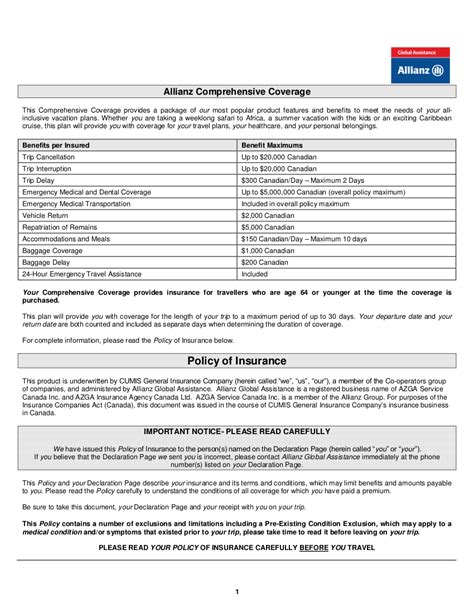
Commercial lines insurance protects businesses from various operational, financial, and legal risks. The specific needs vary greatly depending on the industry, size, and activities of the business.
Commercial General Liability (CGL)
This is fundamental coverage for most businesses. CGL protects against claims from third parties for:
- Bodily Injury: Physical harm to customers, visitors, or others on premises or due to operations/products.
- Property Damage: Damage caused by the business to someone else’s property.
- Personal Injury: Offenses like libel, slander, false arrest, or wrongful eviction.
- Advertising Injury: Claims arising from advertising activities, such as copyright infringement or defamation.
Commercial Property Insurance
Protects the physical assets of a business against perils like fire, theft, windstorms, and vandalism. Covers:
- Building: The structure owned by the business.
- Business Personal Property (BPP): Contents like equipment, inventory, furniture, and computers.
- Business Income (Interruption): Replaces lost income and covers ongoing expenses if operations halt due to covered property damage.
- Extra Expense: Covers additional costs incurred to resume operations quickly after a loss.
Business Owners Policy (BOP)
A convenient package policy designed for small to medium-sized, lower-risk businesses. It bundles CGL and Commercial Property insurance, often including Business Income coverage, typically at a lower premium than buying them separately.
Workers’ Compensation
Mandatory in almost every state for businesses with employees. It provides benefits to employees who get injured or ill due to their job. Benefits include:
- Medical expense coverage.
- Lost wage replacement (disability benefits).
- Rehabilitation services.
- Death benefits for dependents. In return for these guaranteed benefits (paid regardless of fault), employees generally give up the right to sue their employer for the injury. Policies also include Employer’s Liability coverage, which protects the employer if sued outside the workers’ comp system under specific circumstances. State requirements can be found via resources like the U.S. Department of Labor.
Commercial Auto Insurance
Covers vehicles owned or used by the business. Includes liability, physical damage (collision/comprehensive), UM/UIM, and potentially coverage for hired or non-owned vehicles (e.g., employees using personal cars for business errands).
Professional & Management Liability
- Professional Liability (Errors & Omissions – E&O): Protects businesses/individuals providing professional services (doctors, lawyers, accountants, consultants) against claims of negligence, errors, or failure to perform that cause financial harm to clients. Malpractice insurance is E&O for medical professionals.
- Directors & Officers (D&O): Protects company directors and officers from personal losses if sued for alleged wrongful acts in managing the company.
Cyber Liability Insurance
Increasingly critical, this covers financial losses associated with data breaches and cyberattacks. Can include:
- First-Party Costs: Breach notification, credit monitoring, data recovery, business interruption, ransomware payments.
- Third-Party Costs: Legal defense, settlements, regulatory fines resulting from the breach.
Other Important Commercial Lines
- Employment Practices Liability (EPLI): Protects against employee claims regarding discrimination, harassment, wrongful termination, etc.
- Inland Marine: Covers property in transit over land, movable equipment, and specialized property (e.g., construction gear, computers).
- Surety Bonds: Guarantees performance or obligations (e.g., construction contract bonds, license bonds). Not traditional insurance, but often sold by insurers.
| Commercial Line | Primary Purpose | Key Coverage Areas | Who Needs It? |
|---|---|---|---|
| CGL | Protects against third-party injury/damage claims | Bodily Injury, Property Damage, Personal/Advertising Injury | Nearly all businesses |
| Commercial Prop. | Protects business buildings & contents | Building, BPP, Business Income, Extra Expense | Businesses owning buildings/significant property |
| BOP | Bundles CGL & Property for small/medium businesses | CGL, Property, often Business Income | Eligible small/medium, low-risk businesses |
| Workers’ Comp | Covers employee job-related injuries/illnesses | Medical, Disability, Rehab, Death Benefits, Employer’s Liability | Businesses w/ employees (state laws vary) |
| Commercial Auto | Covers business vehicles | Liability, Physical Damage, UM/UIM, Hired/Non-Owned Auto | Businesses using vehicles |
| E&O / Prof. Liab. | Protects against claims of professional negligence/errors | Financial loss caused to clients due to service errors | Service providers (doctors, lawyers, consultants) |
| D&O | Protects directors/officers from management-related lawsuits | Defense costs, settlements for alleged wrongful acts | Corporations (public & private) |
| Cyber Liability | Covers losses from data breaches & cyberattacks | First-party recovery costs, third-party liability | Businesses handling sensitive data |
| EPLI | Protects against employee lawsuits regarding employment practices | Discrimination, harassment, wrongful termination claims | Businesses with employees |
Navigating Government-Related Insurance Programs
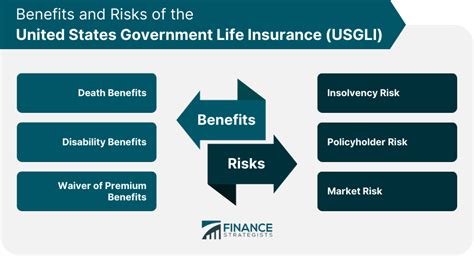
Beyond private insurance, various U.S. government entities manage or backstop specific insurance or social insurance programs. These often address risks the private market might not cover adequately or affordably.
Social Security: While not strictly insurance, it’s a foundational social insurance program funded by payroll taxes. It provides:
- Retirement Benefits: Monthly payments to qualified retirees.
- Disability Benefits (SSDI): Payments to individuals unable to work due to severe, long-term disability.
- Survivor Benefits: Payments to eligible family members of deceased workers.
National Flood Insurance Program (NFIP): Managed by the Federal Emergency Management Agency (FEMA), the NFIP makes federally backed flood insurance available to homeowners, renters, and businesses in participating communities. Private insurers sell and service NFIP policies. It’s often mandatory for properties in high-risk flood zones with federally backed mortgages.
Federal Crop Insurance Corporation (FCIC): Overseen by the U.S. Department of Agriculture (USDA), this program provides subsidized crop insurance to farmers, protecting against yield losses due to natural disasters. Policies are sold and serviced by approved private insurance companies.
Terrorism Risk Insurance Act (TRIA): This federal law created a risk-sharing mechanism between the insurance industry and the federal government for losses resulting from certified acts of terrorism. It requires insurers offering certain commercial lines to make terrorism coverage available.
Pension Benefit Guaranty Corporation (PBGC): A federal agency that protects the retirement incomes of workers in private-sector defined benefit pension plans. If a covered plan fails, PBGC pays basic retirement benefits up to legal limits.
State-Level Programs: Some states operate their own mandatory insurance programs, such as:
- Temporary Disability Insurance (TDI): Required in a few states (like California, New York, New Jersey) to provide short-term wage replacement for non-work-related disabilities.
- State Workers’ Compensation Funds: Some states operate their own funds for workers’ compensation, sometimes competing with private insurers or acting as an insurer of last resort.
| Program Name | Administering Agency | Purpose | Primary Beneficiaries | Funding Source(s) |
|---|---|---|---|---|
| Social Security | SSA | Retirement, disability, survivor benefits | Workers, retirees, disabled, survivors | Payroll taxes |
| NFIP | FEMA (DHS) | Provides flood insurance | Property owners/renters in participating communities | Premiums, federal appropriations |
| FCIC | USDA (RMA) | Protects farmers against crop losses | Agricultural producers | Premiums (subsidized), federal $$ |
| TRIA | Treasury Dept. | Backstops insurers for catastrophic terrorism losses | Commercial property/casualty insurers & policyholders | Industry assessments, federal $$ (post-event) |
| PBGC | PBGC (Independent) | Insures private defined benefit pension plans | Participants in covered pension plans | Insurance premiums from plans, investment income |
| State TDI | State Agencies | Short-term non-work disability wage replacement | Employees in mandatory states | Payroll taxes (employee/employer) |
The Insurance Lifecycle: Buying, Managing, and Claims
Effectively using insurance involves understanding the entire process, from purchase to potential claims.
Choosing and Buying Policies
- Assess Needs: Identify your personal or business risks. What assets need protection? What liabilities could you face? What health or income risks exist? Determine the types and amounts of coverage required. Consider evaluating the top five student insurance providers if applicable.
- Get Quotes: Obtain price estimates from different sources:
- Captive Agents: Represent only one insurance company.
- Independent Agents: Represent multiple companies, allowing comparison shopping.
- Brokers: Represent the buyer (often for complex commercial lines), seeking quotes from various insurers.
- Direct Writers: Insurers selling directly via websites or call centers.
- Compare Offers: Look beyond just the premium. Analyze coverage details, limits, deductibles, exclusions, customer service ratings, and the financial strength ratings of the insurers (e.g., A.M. Best, S&P).
- Application & Underwriting: Complete the application honestly and thoroughly. The insurer’s underwriters will evaluate your risk based on the application, driving records, credit history (in many states), property inspections, medical history (for life/health), etc., to decide whether to issue the policy and set the final premium.
- Policy Issuance: Once approved, you receive the formal policy document. Read it carefully to understand your coverage.
Managing Your Policies
Insurance isn’t a “set it and forget it” purchase.
- Pay Premiums: Ensure premiums are paid on time to keep coverage active.
- Review Regularly: At least annually, or after major life events (marriage, new baby, home purchase, job change), review your policies. Do the coverage limits still meet your needs? Have your risks changed?
- Update Information: Inform your insurer of changes that could affect your policy (e.g., new car, home renovations, change of address, new drivers in household).
Filing an Insurance Claim
When a covered loss occurs:
- Notify Insurer Promptly: Contact your agent or the insurance company’s claims department as soon as reasonably possible.
- Document Everything: Gather evidence: police reports (if applicable), photos/videos of damage, detailed lists of damaged/stolen items with values, medical bills, receipts for temporary repairs or living expenses.
- Cooperate with Adjuster: The insurer assigns a claims adjuster to investigate the loss. They will review your documentation, inspect damage (if necessary), and assess coverage based on your policy terms. Provide requested information honestly.
- Proof of Loss: You may need to submit a formal, sworn statement detailing the loss.
- Settlement: The adjuster will determine the payable amount (less your deductible). If you agree, the insurer issues payment. If you disagree, you can negotiate, request appraisal (for value disputes), or consider seeking legal advice; sometimes, you may need to hire a health insurance lawyer for complex disputes.
| Lifecycle Stage | Key Activities | Considerations | Who is Involved? |
|---|---|---|---|
| Buying | Needs assessment, getting quotes, comparing offers, application, underwriting | Coverage vs. cost, insurer reputation, financial strength, understanding terms | You, Agent/Broker, Underwriter |
| Managing | Premium payments, annual reviews, updating insurer about changes | Ensuring adequate coverage, keeping policy active, informing insurer | You, Agent/Insurer Customer Service |
| Claiming (Loss) | Reporting loss, documenting damage/expenses, cooperating with adjuster | Promptness, thorough documentation, honesty | You, Agent/Insurer Claims Dept. |
| Claiming (Process) | Investigation, coverage determination, negotiation, settlement, payment | Understanding policy limits/deductibles, negotiation skills, dispute options | Claims Adjuster, You, (Potentially) Appraisers/Mediators/Lawyers |
Trends Shaping the Future of US Insurance

The insurance landscape is constantly evolving, driven by technology, changing risks, and shifting consumer expectations. Keeping an eye on health insurance innovations is key.
Insurtech & AI: Technology is revolutionizing the industry. Startups and established insurers leverage Artificial Intelligence (AI), Big Data analytics, the Internet of Things (IoT), and mobile apps for:
- More sophisticated underwriting and pricing.
- Streamlined claims processing (e.g., photo-based auto damage estimates).
- Personalized customer experiences and product offerings.
- Improved fraud detection. Anticipating health insurance innovation 2025 involves looking at these advancements.
Climate Change Impact: Increasing frequency and severity of natural disasters (wildfires, hurricanes, floods, convective storms) pose significant challenges, particularly for property insurers. This leads to:
- Rising premiums in high-risk areas.
- Reduced availability of coverage in some regions.
- Greater focus on risk modeling and mitigation strategies.
Cyber Risk Evolution: As businesses and individuals become more reliant on technology, cyber threats (ransomware, data breaches) escalate. This drives demand for robust cyber liability insurance policies and continuous adaptation of coverage to address new attack vectors.
Healthcare Costs & Reform: Persistently rising healthcare costs pressure health insurance premiums and fuel ongoing debates about systemic reforms, affordability, access to care, and the future role of government programs like Medicare and Medicaid. Understanding the overall trend health insurance 2025 is vital for consumers and providers.
Data Analytics & Personalization: Insurers increasingly use vast datasets to refine risk assessment and personalize products. Examples include:
- Telematics (Usage-Based Insurance): Auto insurance premiums based on actual driving behavior monitored via apps or devices.
- Tailored life and health insurance recommendations based on lifestyle data.
Changing Demographics & Economics:
- Aging Population: Increases demand for products like Long-Term Care Insurance and impacts Medicare/Social Security.
- Gig Economy: Creates challenges and opportunities for providing benefits like health and disability insurance to independent workers.
- Consumer Expectations: Demand for seamless digital experiences, transparency, and faster service.
| Trend | Key Drivers | Impact on Insurance | Examples |
|---|---|---|---|
| Insurtech & AI | Technology advancements, Big Data, Mobile | Efficiency gains, personalized products, new distribution channels, enhanced analytics | AI underwriting, app-based claims, online quoting |
| Climate Change | Global warming, extreme weather events | Increased property claims, rising premiums, coverage availability issues, focus on modeling | Higher home insurance rates in coastal/wildfire areas, NFIP challenges |
| Cyber Risk | Increased connectivity, sophisticated hackers | Growing demand for cyber insurance, evolving coverage needs, higher potential losses | Ransomware coverage, data breach response services |
| Healthcare Costs/Reform | Aging population, tech advancements, drug costs | Pressure on premiums, affordability challenges, ongoing policy debates | ACA marketplace dynamics, Medicare Advantage growth |
| Data & Personalization | Big Data, IoT, analytics capabilities | More accurate pricing, customized offerings, usage-based insurance | Telematics auto insurance, personalized health tips |
| Demographics/Economics | Aging population, gig economy, consumer demands | New product needs (LTC, gig worker benefits), focus on digital customer experience | Portable benefit plans, seamless online policy management |
Conclusion
Insurance in the United States is a vast and intricate system encompassing numerous types of coverage designed to protect individuals and businesses from financial loss. From essential personal lines like health, auto, and homeowners insurance to complex commercial policies and government-backed programs, understanding the options, regulatory environment, and processes is crucial for making informed decisions. As technology and risks evolve, the industry continues to adapt, emphasizing the ongoing need for consumers and businesses to stay informed and ensure their coverage adequately meets their changing needs.
Comprehensive Guide to Insurance in the USA: Types, Regulation & Tips – Understand US insurance completely. Explore personal & commercial lines (health, auto, life, CGL, workers’ comp), regulations, claims, and future trends.
zhigyxqkodjgkzykzwnwrdkwnukszx
Если вы ищете лучший вариант, чтобы [url=https://smartdevice.by/]айфон доставка сегодня[/url], то следует выбрать надежный интернет-магазин или официальный сайт производителя для получения оригинальной продукции и дополнительных услуг, таких как гарантия и поддержка.
вы можете рассмотреть возможность купить айфон . айфоны пользуются популярностью среди пользователей благодаря своей безопасности. айфон может стать вашим верным помощником в любых ситуациях .
Айфоны разработаны для того, чтобы сделать вашу жизнь проще и более удобной . айфон станет вашим постоянным спутником. айфоны имеют различные функции и опции, которые могут удовлетворить ваши потребности .
**Раздел 2: Преимущества айфонов**
айфоны имеют отличную систему камер, которая позволяет делать высококачественные фотографии. Купив айфон, вы сможете наслаждаться его функциями безопасности, такими как Face ID и Touch ID . айфон имеет функцию Siri, которая может помочь вам с различными задачами.
айфоны подходят для пользователей всех возрастов. айфон обеспечит вам высокое качество связи и интернета. айфоны имеют различные функции и опции, которые могут удовлетворить ваши потребности .
**Раздел 3: Выбор айфона**
айфон должен соответствовать вашему стилю жизни. айфоны регулярно обновляются, чтобы соответствовать последним тенденциям в технологиях. айфон обеспечит вам доступ к широкому спектру приложений и сервисов.
Айфоны разработаны для того, чтобы быть простыми в использовании . айфон откроет для вас новые горизонты в мире технологий . Айфоны имеют ряд преимуществ, которые сделали их популярными среди пользователей .
**Раздел 4: Заключение**
Если вы ищете новый смартфон, айфон может быть хорошим выбором . айфоны пользуются популярностью среди пользователей благодаря своей безопасности. айфон может стать вашим верным помощником в любых ситуациях .
айфоны предназначены для пользователей, которые ценят качество и стиль . айфон станет вашим постоянным спутником. айфоны славятся своей высокой скоростью работы и большой памятью .
Узнайте больше о [url=https://pesok-dostawka.by/]машина песка с доставкой цена[/url] — оптимальный выбор для ваших строительных проектов!
Песок с доставкой — это удобный способ обеспечить строительный или ландшафтный проект без необходимости самостоятельно его перевозить. Обеспечивая доставку прямо на объект, они избегают сложностей и лишних проблем.
Доставка песка осуществляется быстро и в оговоренные сроки. Также доступны дополнительные услуги, такие как укладка и просеивание песка.
Обеспечьте себе комфорт, заказав песок с доставкой заранее. Перед заключением договора нужно ознакомиться с условиями и ценами.
Это обеспечивает высокий уровень комфорта и оперативности в выполнении задач. Обеспечьте себе спокойствие и доверие, выбрав проверенного поставщика.